


Introduction
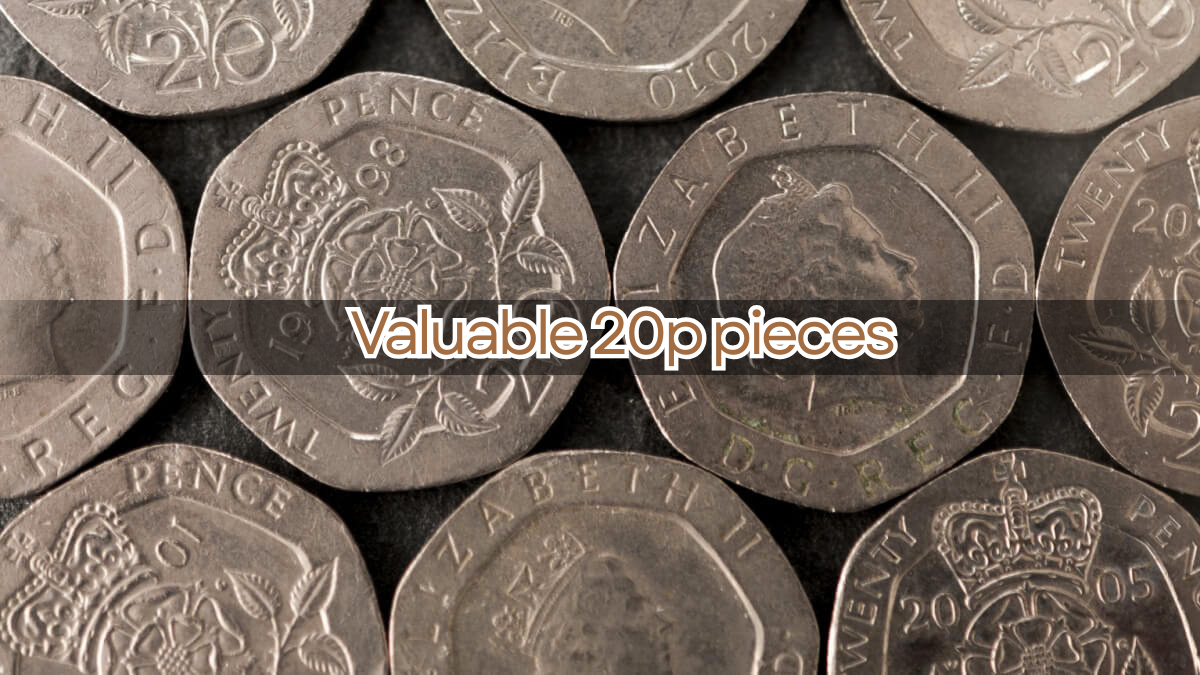
In everyday life, most people see a valuable 20p pieces, coin as nothing more than small change used for daily spending. It often ends up in pockets, jars, or cash counters without much thought. However, in the world of coin collecting, some of these ordinary-looking coins can be surprisingly valuable. These are known as valuable 20p pieces, and in certain cases, they can be worth far more than their face value.
The interesting part is that these coins are not made from gold or silver, yet they still attract strong attention from collectors. Their value comes from rarity, production mistakes, and historical changes in design. Over time, collectors and hobbyists have discovered that even everyday coins can sometimes hold unexpected worth.
This article explains what valuable 20p pieces are, why they become valuable, and which ones are worth looking for in detail.
What Valuable 20p Pieces Mean
A valuable 20p pieces, is a standard UK 20 pence coin that has gained extra worth in the collector’s market. Normally, a 20p coin is only worth its face value, but certain versions can sell for much higher amounts depending on their rarity and condition.
The 20p coin was first introduced in 1982 as part of the UK’s decimal currency system. Since then, millions of coins have been produced every year. Most of them are very common, but a small number stand out due to unusual features such as minting errors or limited production runs.
It is important to understand that age alone does not make a coin valuable. A coin from the 1980s may still only be worth 20p unless it has something special about it. Collectors mainly look for rarity, mistakes, or unusual design features when deciding value.
History of the UK 20p Coin
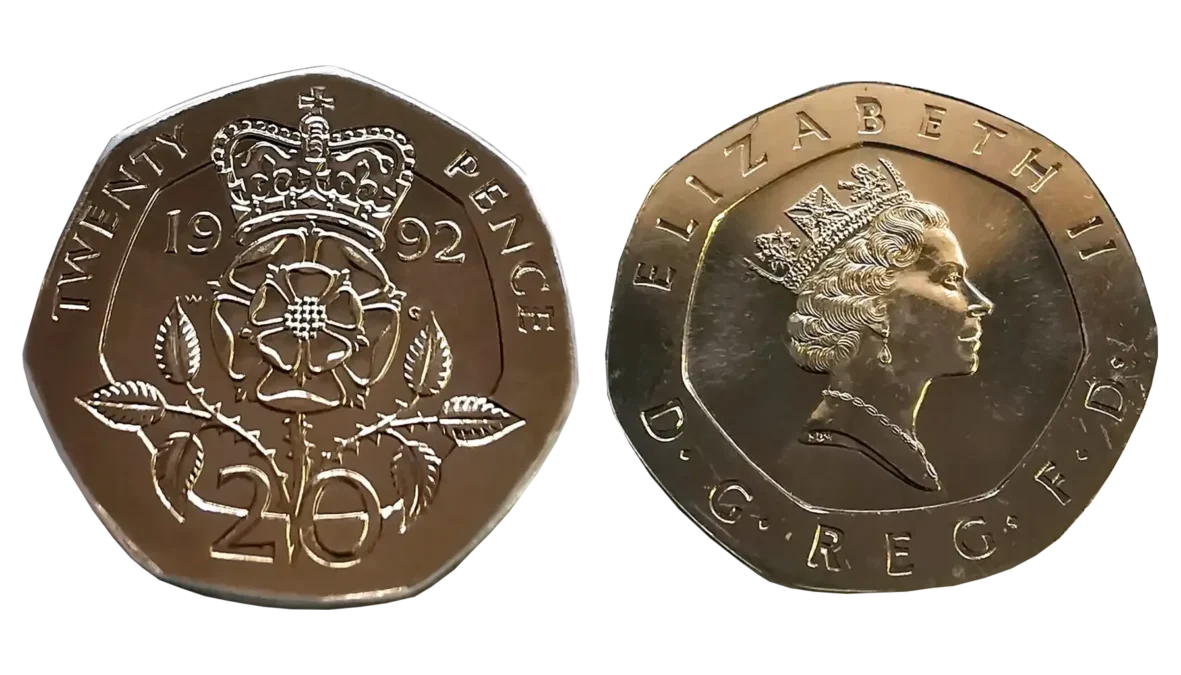
The UK 20p coin has a simple but interesting history. When it was first introduced in 1982, it featured the famous Crown Shield design on the reverse side. This design represented the unity of the United Kingdom and remained in circulation for many years.
As time passed, the Royal Mint made small changes to the design. In 2008, a major update was introduced, changing the arrangement of the shield pieces. This change created a transition period during which some unusual coins were produced.
Even though the Royal Mint follows strict production rules, small mistakes sometimes happen during minting. These mistakes are what later create rare and valuable collector coins that enter circulation unnoticed.
Why Some 20p Coins Become Valuable
Not every 20p coin has extra value, so it is important to understand what makes certain coins special. One of the most common reasons is minting errors. These errors happen during production and can include missing dates, incorrect alignment, or unusual printing issues.
Another factor is limited production. Some years see fewer coins minted than others, which naturally makes them harder to find. When fewer coins are available, collectors are often willing to pay more for them.
Collector demand also plays a major role. When a coin becomes popular among collectors, especially through online discussions or media attention, its value can rise quickly.
Finally, condition matters a lot. A coin that has never been used or is in mint condition is usually far more valuable than one that has been heavily circulated.
The Famous 2008 Dateless 20p Error
One of the most famous examples of a valuable 20p piece is the 2008 dateless error coin. This coin became well-known due to a mistake made during a design transition.
In 2008, the Royal Mint changed the design layout of the 20p coin. During this process, some coins were accidentally produced without a visible date. This happened because mismatched dies were used during minting.
This mistake created a coin that had no year printed on it, which is highly unusual for UK currency. As a result, the coin quickly became a collector’s item.
Today, the value of this coin depends on its condition. Circulated versions can sell for around £50 to £150, while uncirculated examples can reach even higher prices. Its fame continues to make it one of the most searched and discussed UK coin errors.
Other Error 20p Coins
Although the 2008 dateless coin is the most famous, other error coins also exist. Some 20p coins have off-centre designs, where the image is not properly aligned on the coin. Others may show rotation errors where the front and back designs do not line up correctly.
There are also clipped planchet errors where part of the coin appears missing due to a minting fault. These types of coins are usually not as valuable as the famous dateless error, but they can still sell for more than face value depending on how noticeable the mistake is.
Collectors often look for these small differences, as even minor errors can make a coin more interesting and valuable.
Low Mintage 20p Coins
Apart from errors, some 20p coins are valuable simply because fewer were produced in certain years. When production numbers are low, these coins become harder to find in circulation.
Examples include early coins from the 1980s and certain transitional shield designs. While these coins are not extremely rare, they can still attract collector interest.
Their value is usually modest, often ranging from a few pounds up to around £15 depending on condition. However, they remain popular among beginner collectors who are building collections of different years and designs.
Importance of Coin Condition
Condition is one of the most important factors when determining the value of a coin. A coin that looks new and has no visible wear is usually far more valuable than one that has been used heavily.
Collectors generally classify coins into circulated, fine, and uncirculated conditions. Circulated coins show signs of everyday use, while uncirculated coins look almost brand new.
Even if a coin is rare, damage such as scratches or fading can significantly reduce its value. Because of this, collectors often store coins carefully to preserve their condition over time.
How to Identify Valuable 20p Coins
Identifying valuable 20p pieces requires careful observation. One of the first things to check is the date, especially looking for unusual or missing years like 2008.
Next, it is important to examine the design on both sides of the coin. Any misalignment, missing detail, or unusual printing can indicate a minting error.
Using a magnifying glass can help reveal small details that are not visible at first glance. Comparing the coin with a normal 20p piece is also helpful in spotting differences.
Myths About 20p Coins
There are many myths about valuable coins, especially online. One common misunderstanding is that all old coins are valuable, which is not true. Most older 20p coins are still only worth 20p.
Another myth is that every error coin is worth a large amount of money. In reality, only specific and well-documented errors have significant value.
Some people also believe that cleaning coins increases their value, but this is incorrect. Cleaning often damages the surface and reduces collector interest.
Selling Valuable 20p Coins
If someone believes they have a valuable 20p pieces, the next step is usually valuation. This can be done through coin dealers, auction houses, or online collector platforms.
Selling prices vary depending on demand, condition, and rarity. Some coins sell quickly online, while others may take time to find the right buyer.
Collectors often prefer trusted platforms or professional grading services to confirm authenticity and value before making a purchase.
Are Valuable 20p Pieces Still Found Today?
Yes, valuable 20p pieces can still occasionally be found in everyday circulation. Many people do not realize they have them and spend them as normal change.
This is why coin collectors continue checking their coins regularly. Even though such finds are rare, the possibility of discovering something valuable keeps interest alive.
Final Thoughts
Valuable 20p pieces show that even the smallest coins can carry surprising worth. While most remain ordinary, a few rare versions stand out due to mistakes, limited production, or unique design features.
The 2008 dateless 20p remains the most famous example, but other error coins and low-mintage issues also attract attention from collectors.
In the end, these coins are not just about money—they represent history, human error, and the hidden value that can exist in everyday life.
FAQs
Q: What are valuable 20p pieces?
A: Valuable 20p pieces are UK 20p coins that are worth more than 20p due to errors, rarity, or low mintage.
Q: Which is the most famous valuable 20p pieces?
A: The 2008 dateless 20p error coin is the most famous valuable 20p piece among collectors.
Q: How do I know if my 20p coin is valuable?
A: Check for missing dates, minting errors, or unusual designs, especially on older UK 20p coins.
Q: Are all old valuable 20p pieces?
A: No, most old 20p coins are only worth 20p unless they have rare features or errors.
Q: How much can valuable 20p pieces be worth?
A: Depending on rarity and condition, valuable 20p pieces can be worth £10 to over £150.

