


Introduction
Biomedical science is one of the most important fields in modern healthcare education, focusing on how the human body functions and how diseases develop at a biological level. It also explains how laboratory science supports doctors in diagnosing and treating patients more accurately. Many students around the world choose this field because it connects science directly with real healthcare impact.
Plymouth Biomedical Science is often searched online by students, but it is important to understand that it is not a person or celebrity profile. It is a structured university degree programme offered by the University of Plymouth. It does not represent age, family, lifestyle, or personal identity. Instead, it represents a professional academic pathway in healthcare and laboratory science.
This programme is designed for students who want to build careers in medical research, hospital laboratories, and diagnostic science. It combines scientific theory with practical laboratory experience, making it a strong choice for students interested in biology and medicine.
What is Plymouth Biomedical Science?
The course known as Plymouth Biomedical Science is a three-year undergraduate degree that focuses on human biology, disease mechanisms, and laboratory diagnostics. It teaches students how medical science is used in real healthcare systems to identify and study diseases.
Students learn how infections spread, how genetic disorders occur, and how the immune system responds to illness. The course also explains how laboratory testing plays a key role in hospital diagnosis and treatment planning.
Unlike general biology degrees, Plymouth Biomedical Science is more clinically focused. It prepares students for real healthcare environments, especially NHS laboratories where accuracy and scientific skill are extremely important.
Why Students Choose This Course
Many students choose Plymouth Biomedical Science because it offers a strong combination of theory and practical learning. The University of Plymouth is known for its modern teaching style, which focuses on real-world application rather than just classroom learning.
Another reason students prefer Plymouth Biomedical Science is its strong connection with healthcare systems and laboratory practice. The course is designed to match NHS standards, helping students become job-ready after graduation.
The city of Plymouth also adds value to student life. It is peaceful, affordable, and located near the sea, which creates a calm environment for studying and personal growth.
| Category | Details |
|---|---|
| Name | Plymouth Biomedical Science |
| Type | University Degree Programme |
| University | University of Plymouth (UK) |
| Field | Biomedical Science / Healthcare Science |
| Study Level | Undergraduate (BSc Hons) |
| Duration | 3 years (optional placement year) |
| Focus | Human biology, disease, laboratory diagnostics |
| Career Areas | NHS labs, medical research, pharmaceuticals |
| Entry Requirements | Science background (Biology/Chemistry preferred) |
| Outcome | Biomedical Scientist, Researcher, Healthcare roles |
Course Structure and Study Experience
The degree is usually completed over three years, with an optional placement year for students who want additional professional experience. In the beginning, students focus on core science subjects such as biology, chemistry, and cell structure.
As the course progresses, Plymouth Biomedical Science becomes more advanced and specialized. Students study microbiology, immunology, genetics, and pathology in detail. These subjects help them understand diseases at a deeper scientific level.
The final stage of the degree often includes research projects and independent study, where students apply everything they have learned to real scientific problems.
Laboratory Training and Practical Learning
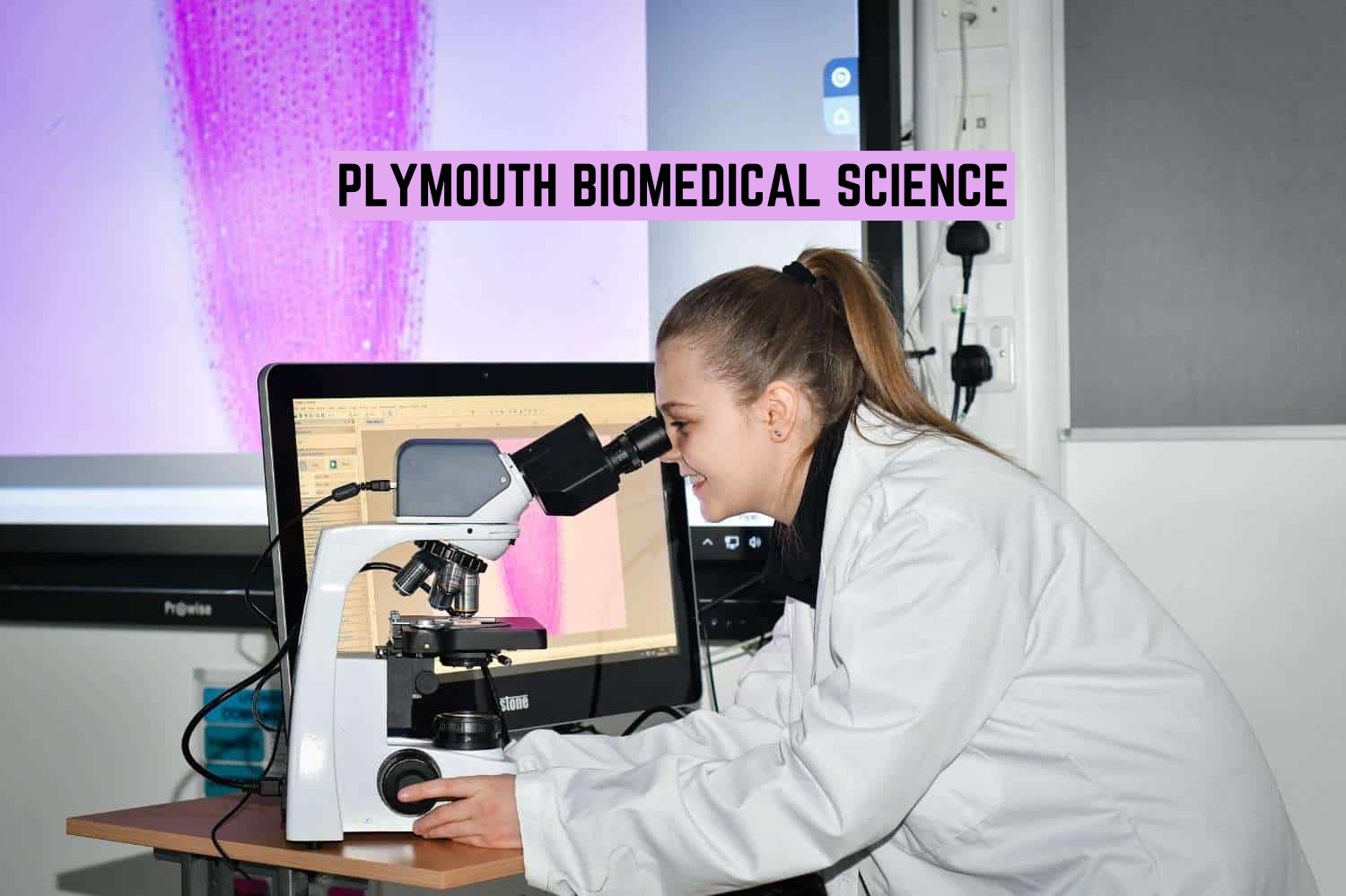
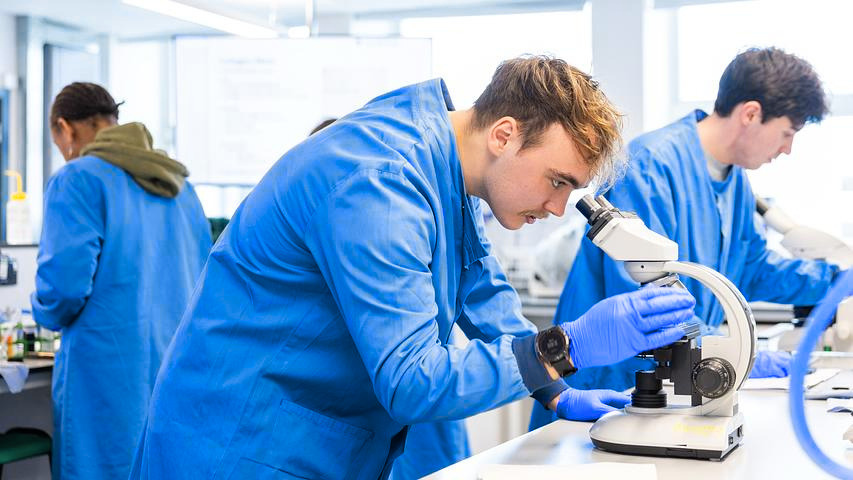
One of the most important parts of Plymouth Biomedical Science is laboratory training. Students spend a large amount of time working in modern science labs where they learn real diagnostic techniques.
They are trained to use microscopes, analyze blood samples, and operate advanced laboratory equipment. This hands-on experience is essential because biomedical science is a practical field where precision matters.
In Plymouth Biomedical Science, students also learn how to follow strict safety rules and scientific procedures. This prepares them for working in real hospital laboratories where accuracy and responsibility are critical.
Subjects Covered in Detail
The programme includes several core subjects that build a strong scientific foundation. Students study human biology to understand how the body’s systems work together to maintain health.
Microbiology is another key subject that focuses on bacteria, viruses, and infections. Students learn how these microorganisms affect human health and how they can be controlled.
Biochemistry is also an important part of Plymouth Biomedical Science, explaining chemical reactions inside the human body. Immunology and genetics help students understand disease resistance and inherited conditions.
Pathology brings all these subjects together by focusing on how diseases are diagnosed and studied in medical laboratories.
Skills Developed During Study
Studying Plymouth Biomedical Science helps students develop a wide range of academic and professional skills. One of the most important is laboratory competence, which includes handling samples, using scientific equipment, and recording accurate results.
Students also develop strong analytical thinking skills. They learn how to interpret scientific data and solve complex biological problems step by step.
Communication skills are improved through report writing and presentations, while attention to detail becomes a natural part of their work. These skills are essential for any career in healthcare science.
Career Opportunities After Graduation
A degree in Plymouth Biomedical Science opens the door to many career paths in healthcare and science industries. Many graduates work in NHS hospital laboratories, where they perform diagnostic tests that help doctors treat patients.
Others move into medical research, where they study diseases and contribute to developing new treatments. Some students enter pharmaceutical companies or public health organizations.
For those who want further education, Plymouth Biomedical Science also provides a strong foundation for MSc and PhD programmes in specialized medical fields.
Student Life in Plymouth
Students studying Plymouth Biomedical Science enjoy a balanced lifestyle that combines academic learning with personal development. The University of Plymouth offers a supportive environment with modern facilities and student-friendly services.
Plymouth city itself is peaceful and affordable compared to many larger UK cities. Its coastal location provides a relaxing atmosphere that helps students focus better on their studies.
Outside academics, students also participate in clubs, societies, and campus events, which help them build friendships and social skills.
Importance of Biomedical Science Today
The field of Plymouth Biomedical Science plays a very important role in modern healthcare systems. Biomedical scientists help detect diseases early, monitor infections, and support medical treatments through laboratory testing.
Without biomedical science, many diseases would remain undiagnosed or misunderstood. This makes it a crucial part of hospitals and healthcare systems worldwide.
With growing medical challenges and technological advancements, Plymouth Biomedical Science continues to become even more important in global healthcare.
Future of the Field
The future of Plymouth Biomedical Science is expanding rapidly. New technologies in genetics, artificial intelligence, and personalized medicine are creating new opportunities for graduates.
Students may work in advanced diagnostics, research laboratories, or global health projects. The demand for skilled biomedical scientists is expected to remain strong in the coming years.
Conclusion
The Plymouth Biomedical Science programme is a well-structured and respected degree that prepares students for careers in healthcare, research, and laboratory science. It is not a personal profile but an academic pathway focused on understanding human health and disease.
Through practical training, scientific learning, and real-world experience, Plymouth Biomedical Science helps students build strong careers in the healthcare and medical science field.

