



Yardley Chase Training Area is one of the most unusual landscapes in England, where military history and natural biodiversity exist side by side. Hidden in the countryside of Northamptonshire, this land has served wartime needs, modern defence training, and ecological conservation all at once. Unlike public parks or tourist attractions, it remains largely restricted, giving it a quiet and preserved character that has developed over decades.
Today, Yardley Chase Training Area stands as a rare example of how land can evolve through war, defence, and nature without losing its identity.
Not a Person, But a Protected Landscape
Before exploring its story, it is important to understand that Yardley Chase Training Area is not a person or celebrity. It does not have age, height, family, siblings, net worth, or social media accounts.
These details are often searched for public figures, but here they simply do not apply. Instead, this place is a government-managed military training ground under the UK Ministry of Defence. Its identity comes from land use, historical events, and ecological importance rather than human biography.
In simple terms, it is a living landscape shaped by history—not a personal profile.
Location and Environment
The Yardley Chase Training Area is located in Northamptonshire, in central England. It lies near rural villages surrounded by farmland, woodland, and open countryside.
The area consists of mixed habitats, including dense forest, grassland fields, and wetland ponds. Because it is an active military training site, public access is restricted for safety reasons. Only authorised personnel, researchers, and cadet groups are allowed in under controlled conditions.
This limited access has unintentionally helped preserve its natural environment, allowing wildlife to thrive with minimal disturbance.
Wartime Origins of the Site
The history of Yardley Chase Training Area dates back to the Second World War. During the early 1940s, Britain required safe inland storage locations for ammunition and military supplies. Coastal areas were too vulnerable to enemy attacks, so remote inland regions were selected.
Between 1942 and 1943, the site was developed as a military ammunition depot. It included storage bunkers, transport roads, and railway systems designed to move explosive materials safely.
Many remnants of this period still exist today. Concrete bunkers, hidden foundations, and old track routes remain scattered across the woodland. Over time, nature has gradually reclaimed much of this infrastructure, blending history with the environment.
| Category | Details |
|---|---|
| Name | Yardley Chase Training Area |
| Type | Military training area & conservation site |
| Location | Northamptonshire, England |
| Managed by | UK Ministry of Defence |
| Original Use | WWII ammunition storage depot |
| Current Use | Military training + cadet exercises |
| Environment | Woodland, grassland, ponds |
| Known For | Wildlife, history, restricted access |
Transformation into a Training Ground
After World War II ended, the original purpose of ammunition storage became unnecessary. Instead of being abandoned, the land was repurposed.
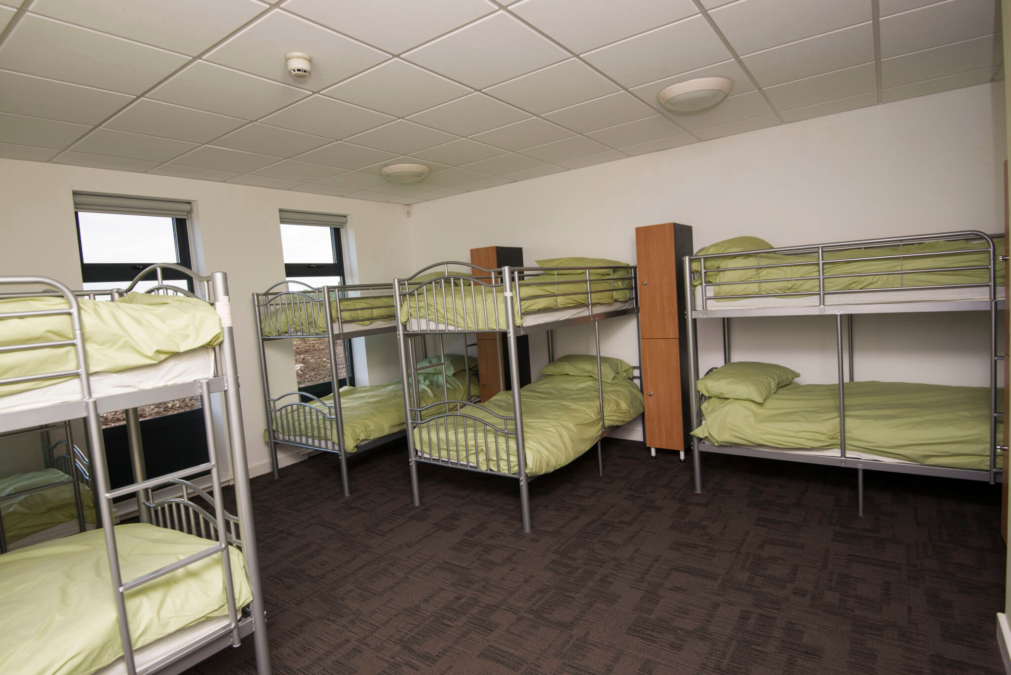
The Yardley Chase Training Area gradually became a military training ground for British Army units and cadet forces. Its isolated location and existing infrastructure made it ideal for field exercises.
Soldiers and cadets use the land for navigation drills, survival training, tactical movement, and leadership development. The terrain provides a realistic environment with forests, open fields, and uneven ground.
This transformation allowed the site to remain active while preserving its historical structures.
Woodland, Wetlands, and Natural Features
One of the most remarkable aspects of Yardley Chase Training Area is its ecological richness. Despite its military function, the land supports diverse wildlife habitats.
Ancient Woodland
Some parts of the site contain ancient woodland, meaning they have existed for hundreds of years. These forests support stable ecosystems where rare plants, fungi, and insects thrive.
Old and fallen trees are left in place, creating natural shelters for wildlife and contributing to biodiversity.
Ponds and Water Systems
The area contains many ponds, some formed from wartime activity and others naturally over time. These water bodies support amphibians such as frogs, toads, and newts.
The presence of still water and surrounding vegetation makes it an ideal breeding environment for protected species.
Open Grasslands
Grassland areas are used for both training and ecological balance. These open spaces support wildflowers, bees, butterflies, and ground-nesting birds.
The combination of woodland and grassland creates a diverse habitat system within a single site.
Wildlife and Conservation Value
The ecological importance of Yardley Chase Training Area is widely recognised by conservation experts. Restricted public access has allowed rare species to survive without major disruption.
One of the most significant species found here is the great crested newt, a protected amphibian in the UK. The ponds provide perfect breeding conditions, making the area valuable for conservation efforts.
Deadwood habitats also support beetles, fungi, and insects that depend on undisturbed forests. Birds and small mammals benefit from the mix of dense cover and open space.
Because of this biodiversity, parts of the site are carefully managed to balance training activities with environmental protection.
Military Use and Modern Training
The training environment at Yardley Chase also helps participants understand how to work as a team in challenging situations. Communication, trust, and quick thinking become very important when moving through dense woodland or unfamiliar terrain. These exercises are designed to improve both physical endurance and mental focus.
In addition, instructors often use the landscape to teach real-world problem solving. Trainees may face tasks that require planning routes, adapting to sudden changes, or completing objectives with limited resources. This makes the experience closer to real field conditions and helps build strong decision-making skills.
Historical Structures and Remains
Another unique feature of the Yardley Chase Training Area is its visible wartime history. Many original structures still remain, though often hidden under vegetation.
Concrete bunkers, old ammunition storage points, and railway traces are scattered throughout the site. These remnants are not restored as tourist attractions but are preserved as part of the landscape.
Over decades, nature has slowly absorbed these structures, creating a fusion of human history and natural growth that is rarely seen elsewhere.
Land Management and Protection
Managing Yardley Chase Training Area requires a careful balance between military use and environmental conservation. The Ministry of Defence works alongside environmental organisations to ensure the land is used responsibly.
Certain zones are protected during breeding seasons, and ecological surveys are regularly carried out. Training activities are planned in a way that reduces disturbance to sensitive habitats.
This dual-purpose management system is one reason the site remains both operational and ecologically valuable.
Public Access Restrictions
Unlike parks or recreational forests, Yardley Chase Training Area is not open to the public. Entry is strictly controlled due to safety risks associated with military exercises.
Occasional guided visits may be allowed for educational or conservation purposes, but these are rare and highly regulated.
This restriction has played a major role in preserving the site’s natural condition and preventing overuse or environmental damage.
Why This Place Still Matters
The importance of Yardley Chase Training Area lies in its layered identity. It is not just a military zone or a nature reserve—it is both at the same time.
It represents:
- A World War II logistical site
- A modern defence training ground
- A protected ecological habitat
Few places in the UK combine all three roles in such a balanced way. Its long history and limited human disturbance have created a landscape that is both historically significant and environmentally rich.
Conclusion
The story of Yardley Chase Training Area is one of transformation and coexistence. From wartime ammunition storage to modern military training and wildlife conservation, the site has evolved without losing its character.
It remains hidden from public view, yet its importance is widely recognised among historians, environmentalists, and defence planners.
In a world where land is often heavily developed or overused, this landscape stands as a reminder that history and nature can exist together—quietly, carefully, and meaningfully.

