


Introduction to Thermal Performance in Buildings
In modern construction, energy efficiency is no longer optional. It is a standard requirement for homes, offices, and industrial structures. One of the most important measurements used to evaluate insulation performance is the U-value, which shows how much heat passes through a building element like a wall, roof, or floor.
The Rockwool U Value Calculator is a widely used digital tool designed to simplify this process. It allows architects, engineers, and builders to quickly estimate heat loss and choose the right insulation thickness for optimal performance. Instead of manual calculations, this tool provides fast and reliable results based on material properties and construction layers.
The increasing demand for energy-efficient buildings has made tools like the Rockwool U Value Calculator essential in both design and renovation projects.
What the Rockwool U Value Calculator Actually Does
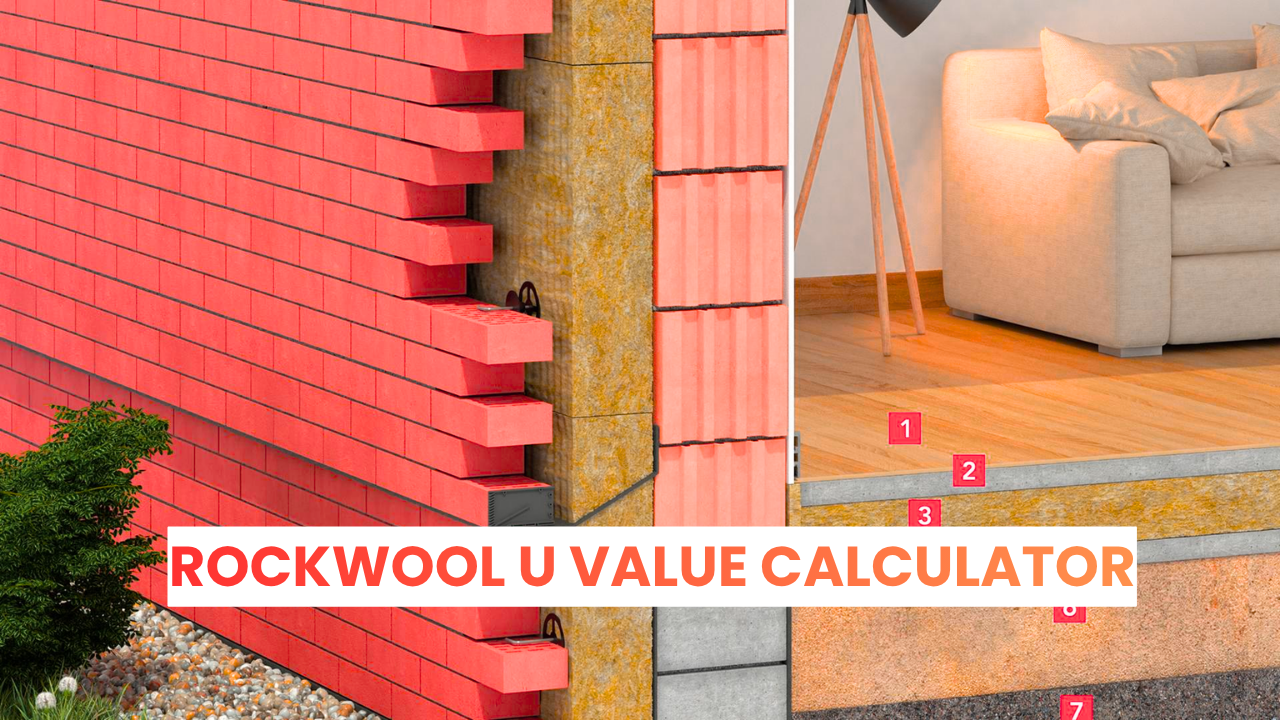
The Rockwool U Value Calculator is an online engineering tool developed to calculate the thermal transmittance of building components. It evaluates how different layers of materials—such as brick, concrete, insulation, plasterboard, and air gaps—affect overall heat transfer.
By entering construction details, users can instantly see the U-value result. This helps determine whether a wall or roof meets building regulations or needs additional insulation.
Unlike simple calculators, the Rockwool U Value Calculator is built using real-world material data and industry-approved thermal values, making it highly reliable for professional use.
Understanding U-Value in Simple Terms
To understand the importance of the Rockwool U Value Calculator, it is necessary to understand what U-value means.
U-value is a measure of heat loss. It tells us how much heat escapes through one square meter of a building element when there is a temperature difference between inside and outside.
A lower U-value means better insulation and less heat loss. A higher U-value means poor insulation and more energy waste.
The concept can be expressed as:
U=R1
Here, thermal resistance (R) plays a key role in controlling heat flow. The Rockwool U Value Calculator uses this principle to estimate real building performance.
Bio Table
| Field | Details |
|---|---|
| Topic | Rockwool U Value Calculator |
| Type | Technical / Construction / Energy Efficiency |
| Focus | Insulation performance, U-value calculation, building design |
| Target Audience | Architects, engineers, builders, homeowners |
| Purpose | To explain insulation efficiency tools and energy-saving design methods |
| Language Style | Informative, SEO-optimized, professional |
Why Rockwool Materials Are Commonly Used
ROCKWOOL is one of the leading names in stone wool insulation. The company is known for producing durable insulation materials made from volcanic rock.
These materials are widely used because they provide strong thermal resistance, fire safety, and acoustic performance. When used inside the Rockwool U Value Calculator, these material properties help designers understand how different thickness levels impact energy efficiency.
Rockwool insulation is also commonly used in sustainable building design because it helps reduce carbon emissions by lowering energy consumption.
How the Rockwool U Value Calculator Works in Practice
The working process behind the Rockwool U Value Calculator is based on layer-by-layer analysis of building components. Each layer has a thermal resistance value depending on thickness and conductivity.
The basic formula used is:
R=λd
Where:
- R is thermal resistance
- d is material thickness
- λ is thermal conductivity
After calculating each layer, the total resistance is added and the final U-value is determined.
U=∑R1
This is the core method behind the Rockwool U Value Calculator, allowing accurate insulation planning for different building types.
Importance of the Rockwool U Value Calculator in Construction
Energy regulations in many countries require buildings to meet specific thermal performance standards. The Rockwool U Value Calculator helps professionals ensure compliance with these standards before construction begins.
It is especially useful in:
- New residential housing design
- Commercial building planning
- Energy renovation projects
- Passive house design strategies
By predicting heat loss early in the design stage, the tool prevents costly redesigns and improves long-term building efficiency.
Benefits of Using Rockwool U Value Calculator
The Rockwool U Value Calculator offers several practical benefits that make it an essential tool for construction professionals.
It improves design accuracy by providing precise thermal performance data based on real materials. It also saves time by eliminating manual calculations, which are often complex and prone to error.
Another important advantage is energy cost reduction. Buildings designed using accurate U-value calculations typically require less heating and cooling, resulting in long-term savings.
It also supports environmental sustainability by reducing unnecessary energy consumption and helping projects achieve green building certifications.
Role of BIM Integration in Modern Design
Modern construction increasingly relies on digital modeling systems. The Rockwool U Value Calculator supports this trend through BIM (Building Information Modeling) compatibility.
Designers can integrate insulation data directly into BIM software, allowing real-time performance analysis during the design phase. This ensures that insulation decisions are based on accurate thermal calculations rather than estimates.
This integration has made the Rockwool U Value Calculator a valuable tool in both architectural planning and engineering workflows.
Common Mistakes in U-Value Calculations
Even with advanced tools like the Rockwool U Value Calculator, some mistakes can still affect accuracy.
One common issue is ignoring thermal bridging, where heat bypasses insulation through structural elements. Another problem is incorrect material input, which can lead to inaccurate results.
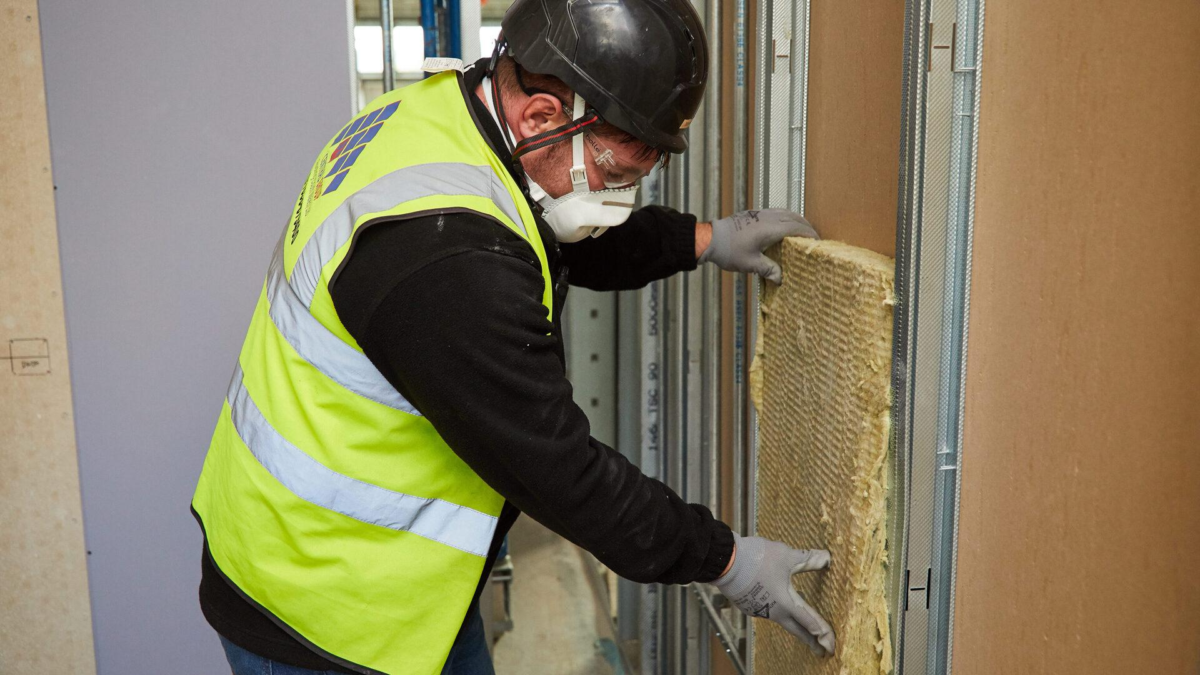
Installation quality also plays a major role. Even if calculations are correct, poor installation can reduce actual performance compared to predicted values.
Understanding these limitations helps users get the most reliable results from the Rockwool U Value Calculator.
About ROCKWOOL and Its Industry Impact
ROCKWOOL is a global leader in stone wool insulation manufacturing. The company focuses on creating energy-efficient, fire-resistant, and sustainable building solutions.
Instead of focusing on personal details like age, height, family, or net worth—which are not relevant to industrial tools or engineering systems—the importance lies in its technological contribution to construction.
ROCKWOOL products are widely used in residential, commercial, and industrial projects across the world, making them a trusted choice in insulation technology.
Real-World Applications of Rockwool U Value Calculator
The Rockwool U Value Calculator is used in many real-life construction scenarios.
In residential buildings, it helps determine insulation thickness for walls and roofs. In commercial projects, it supports energy modeling for large office spaces and retail buildings.
In renovation projects, it is used to upgrade older buildings to modern energy standards without unnecessary structural changes.
Industrial facilities also use it to control internal temperature stability and reduce energy costs.
Future of Energy Calculation Tools
As building standards continue to evolve, digital tools like the Rockwool U Value Calculator will become even more advanced. Future versions are expected to include real-time simulation, AI-based material recommendations, and deeper integration with smart building systems.
The focus will continue to be on energy efficiency, sustainability, and reducing carbon footprints in global construction practices.
Conclusion
The Rockwool U Value Calculator is more than just a simple calculation tool. It is a complete design support system that helps professionals build smarter, more energy-efficient structures.
By understanding heat transfer, material performance, and insulation behavior, it allows users to make informed decisions that improve comfort and reduce long-term energy costs.
In today’s construction industry, where sustainability is a top priority, tools like the Rockwool U Value Calculator play a critical role in shaping the future of building design.
FAQs
Q: What is the Rockwool U Value Calculator used for?
A: It is used to calculate heat loss through building materials and improve insulation design.
Q: Is the Rockwool U Value Calculator free to use?
A: Yes, it is available online for free for professionals and designers.
Q: Why is U-value important in buildings?
A: It measures heat loss, helping improve energy efficiency and reduce costs.
Q: Can it be used for renovation projects?
A: Yes, it is commonly used to upgrade insulation in older buildings.
Q: Does it support modern BIM software?
A: Yes, it can integrate insulation data into BIM-based design workflows.

