


The Centre for Integrative Semiconductor Materials (CISM) at Swansea University is one of the most significant developments in the United Kingdom’s modern research and innovation landscape. It represents a major step forward in semiconductor science, combining academic research, industrial collaboration, and advanced manufacturing capabilities in one integrated facility.
In simple terms, CISM Swansea is not just a university lab. It is a high-tech research environment where scientists and engineers work on technologies that power the modern digital world. From smartphones and electric vehicles to renewable energy systems and advanced medical devices, the research done here connects directly to real-world applications that shape everyday life.
Understanding CISM Swansea
The Centre for Integrative Semiconductor Materials (CISM) is located at Swansea University in Wales, United Kingdom. It was developed to strengthen the UK’s capability in semiconductor research and development, particularly at a time when global demand for microchips and advanced electronics is rapidly increasing.
Semiconductors are the foundation of modern technology. They are the materials used to build electronic components such as chips, transistors, and sensors. Without semiconductors, there would be no smartphones, computers, internet systems, or modern vehicles. CISM Swansea focuses on improving these materials and developing next-generation electronic devices that are faster, more efficient, and more sustainable.
What makes CISM special is its structure. It combines academic research with industrial-scale facilities, allowing researchers not only to study materials but also to build and test real semiconductor devices in controlled environments.
The Purpose Behind CISM Swansea
CISM was created in response to a growing global challenge: the increasing dependence on a limited number of countries for semiconductor manufacturing. Over the past decade, industries around the world have experienced supply chain disruptions, highlighting the need for more localized and resilient semiconductor research and production capabilities.
The UK government and Swansea University recognized this gap and invested in creating a centre that could support both innovation and skills development. CISM Swansea was designed to ensure that the UK remains competitive in advanced technology sectors by building strong research capacity in semiconductor science.
At its core, the purpose of CISM is to connect three important areas: research, industry, and education. Instead of working in isolation, these areas are brought together under one roof, allowing knowledge to move quickly from laboratories to real-world applications.
The Research Environment at CISM
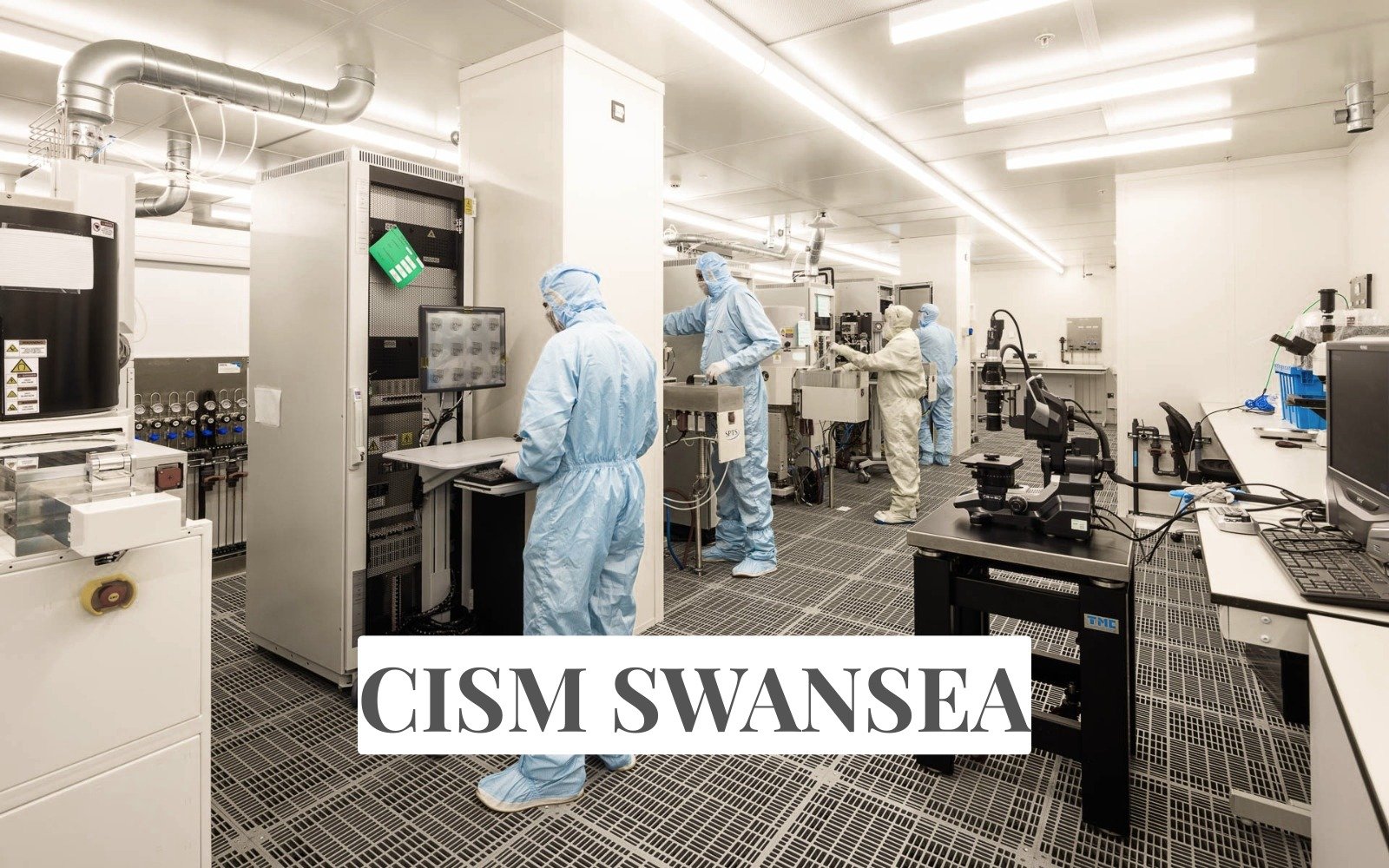
One of the most important features of CISM Swansea is its advanced research environment. The facility includes state-of-the-art laboratories and cleanroom spaces designed for extremely precise scientific work. These cleanrooms are essential because semiconductor fabrication requires an environment free from dust and contamination, as even microscopic particles can affect the performance of electronic devices.
Inside these controlled environments, researchers work on developing and testing semiconductor wafers and materials. The process involves highly specialized equipment that allows for microscopic-level engineering. This level of precision is essential for modern electronics, where components are becoming smaller, faster, and more complex.
The research environment at CISM is designed to mirror industrial conditions, meaning that discoveries made in the lab can more easily be transferred into commercial production. This approach helps bridge the gap between theoretical science and practical technology.
Key Areas of Research
CISM Swansea focuses on several important areas of semiconductor science. One of the major research directions involves wide bandgap semiconductors, which are materials capable of operating under higher voltages, temperatures, and frequencies compared to traditional silicon. These materials are especially important for electric vehicles, renewable energy systems, and high-power electronic devices.
Another significant area of research is power electronics, which deals with the control and conversion of electrical power. This field plays a key role in improving energy efficiency across various industries, including transportation and renewable energy infrastructure.
CISM is also involved in photonics and optoelectronics, which focus on devices that use light to transmit and process information. This includes technologies used in fiber-optic communication systems, lasers, and advanced sensing devices.
In addition, the centre conducts research in advanced materials science, exploring new compounds and structures that can improve the performance, efficiency, and durability of electronic devices. These innovations are critical for the development of next-generation technologies.
Collaboration with Industry
One of the defining strengths of CISM Swansea is its close collaboration with industry partners. Rather than functioning solely as an academic institution, CISM actively works with technology companies, engineering firms, and government research programs.
This collaboration allows businesses to access cutting-edge research facilities while also contributing to the development of new technologies. In return, researchers gain valuable insights into real-world industry needs, ensuring that their work remains relevant and impactful.
This partnership model accelerates innovation. Instead of waiting years for academic discoveries to reach the market, CISM enables faster development cycles where ideas can be tested, refined, and implemented more efficiently.
Education and Skills Development
CISM Swansea also plays an important role in education and training. Students at Swansea University have the opportunity to work in advanced laboratories and cleanroom environments, gaining hands-on experience with semiconductor technologies.
This practical training is extremely valuable because semiconductor manufacturing is a highly specialized field that requires both theoretical knowledge and technical skills. By working directly with advanced equipment, students develop a deeper understanding of how electronic devices are designed and produced.
As a result, graduates from programs associated with CISM are well-prepared for careers in electronics engineering, materials science, renewable energy, and research and development industries. The centre acts as a bridge between academic learning and professional employment, helping to create a skilled workforce for the future.
Role in National Technology Strategy
CISM Swansea is not only important for the university but also plays a role in the broader UK technology strategy. Semiconductors are considered a critical industry for national economic growth and technological independence.
By investing in research centres like CISM, the UK aims to reduce reliance on external semiconductor supply chains and build stronger domestic capabilities. This is especially important in a world where technology is evolving rapidly and global competition is increasing.
The work done at CISM also supports national goals related to clean energy, digital transformation, and advanced manufacturing. Its research contributes to technologies that are essential for achieving a more sustainable and technologically advanced economy.
Economic Impact on Wales
Beyond its scientific importance, CISM Swansea also has a strong economic impact on the region. South Wales has been developing into a growing hub for advanced technology and engineering industries, and CISM plays a key role in this transformation.
The centre helps create high-skilled jobs, attracts investment, and encourages collaboration between universities and private companies. Over time, this contributes to regional economic growth and strengthens the local innovation ecosystem.
By supporting both education and industry, CISM helps ensure that Wales becomes an important player in the global technology landscape.
Challenges and Future Potential
Like any advanced research institution, CISM Swansea faces certain challenges. Semiconductor research requires expensive equipment, continuous funding, and constant adaptation to rapidly changing technologies. Global competition in this field is also intense, with many countries investing heavily in similar research infrastructure.
However, these challenges are matched by significant opportunities. The global demand for semiconductors continues to rise due to the growth of electric vehicles, artificial intelligence, renewable energy systems, and digital technologies. This creates a strong need for innovative research centres like CISM.
Looking ahead, CISM is expected to expand its research capabilities further and strengthen its partnerships with global technology companies. Its role in developing next-generation semiconductor technologies will likely become even more important in the coming years.
Final Thoughts
The Centre for Integrative Semiconductor Materials (CISM Swansea) represents a powerful combination of science, innovation, and education. It is helping to shape the future of semiconductor technology by bringing together researchers, students, and industry experts in a highly advanced environment.
Rather than being just a university facility, CISM functions as a strategic innovation hub that supports both national and global technological development. Its work contributes to advancements in electronics, energy systems, and digital infrastructure that directly impact modern life.
As technology continues to evolve, the importance of semiconductor research will only increase. In this context, CISM Swansea stands as a key institution driving progress, innovation, and long-term technological resilience for the United Kingdom and beyond.
FAQs
Q: What is CISM Swansea?
A: CISM Swansea is a research centre at Swansea University focused on semiconductor materials and advanced electronic technologies.
Q: What does CISM stand for?
A: CISM stands for Centre for Integrative Semiconductor Materials.
Q: Why is CISM Swansea important?
A: It helps develop new semiconductor technologies used in electronics, energy systems, and modern devices.
Q: Who works at CISM Swansea?
A: Researchers, scientists, engineers, and industry partners collaborate there.
Q: Does CISM Swansea produce computer chips?
A: It does not mass-produce chips but develops and tests advanced semiconductor materials and prototypes.

