


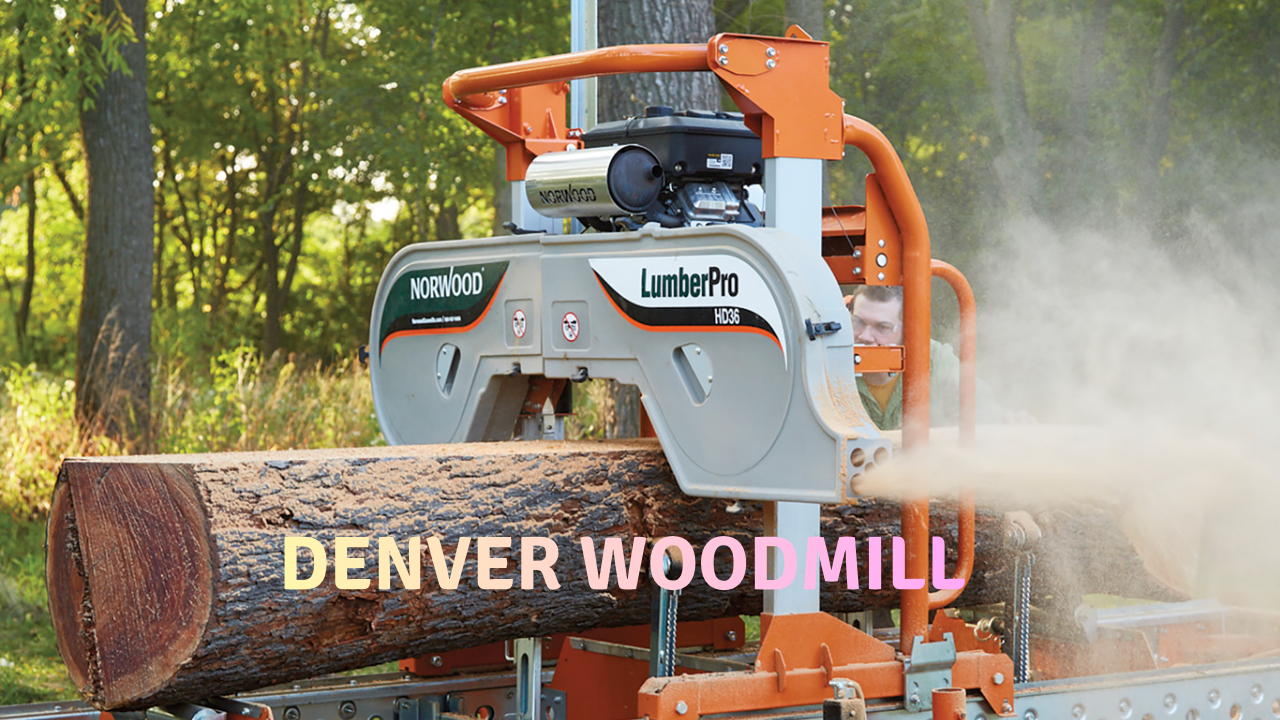
Introduction to Denver Woodmill
The term denver woodmill is widely used by people searching for woodworking facilities, sawmills, and timber processing workshops in the Denver region of Colorado. Although it is not a single specific landmark or one branded company, the idea behind woodmill represents an entire network of wood-processing businesses that turn raw logs into usable timber and handcrafted wood products.
When someone searches woodmill, they are usually looking for places where wood is milled, shaped, dried, and prepared for furniture making or construction. These facilities play a quiet but important role in the local economy, especially in sustainable building and custom woodworking industries.
In simple terms, woodmill refers to the ecosystem of sawmills and wood workshops that operate around Denver, supporting builders, designers, and artisans who rely on quality wood materials.
Bio Table
| Field | Details |
|---|---|
| Topic | Denver Woodmill |
| Type | Woodworking industry / Sawmill ecosystem |
| Location Focus | Denver, Colorado, USA |
| Industry | Timber processing, woodworking, furniture materials |
| Services | Log cutting, kiln drying, live-edge slabs, custom lumber |
| Materials | Reclaimed wood, urban trees, hardwood slabs |
| Main Use | Furniture making, construction, interior design |
| Sustainability | High (urban wood recycling, eco-friendly processing) |
| Audience | Builders, designers, furniture makers, homeowners |
| Search Intent | Local woodmill services, sawmills in Denver |
What is Denver Woodmill
To understand denver , it helps to break down the process behind it. A woodmill is a place where logs are processed into usable lumber. In Denver, these operations are often smaller, specialized workshops rather than massive industrial factories.
A typical denver takes trees that have been cut due to storm damage, construction clearing, or natural aging and transforms them into usable wood slabs. These slabs are later used for tables, flooring, cabinets, and architectural design elements.
Many people confuse woodmill with a single company, but in reality, it is a collective term used for multiple wood processing businesses operating in the Denver area. Some of these businesses are locally owned and focus heavily on sustainable practices such as reclaiming urban trees.
How Denver Woodmill Operates in Daily Work
The working process inside a denver woodmill follows a structured yet highly skilled system. It begins with raw logs arriving from different sources, including tree removal services and forestry operations.
Once the logs arrive, the woodmill team inspects the wood for quality and determines how it should be cut. Large saw machines are then used to slice the logs into slabs or beams. These slabs are carefully stacked and dried in controlled environments to prevent cracking or warping.
In many modern denver facilities, kiln drying is an essential step. This process removes moisture from the wood and ensures durability. After drying, the wood is sanded, trimmed, and prepared for sale or custom orders.
The entire workflow in a woodmill reflects a balance between traditional craftsmanship and modern technology, making it an important part of Colorado’s woodworking industry.
History and Evolution of Denver Woodmill
The concept of woodmill has evolved significantly over the years. In earlier decades, woodmills in Colorado primarily served construction companies and large-scale builders. Their focus was on producing basic lumber for housing and infrastructure.
As time passed, the demand for custom furniture and eco-friendly materials increased. This shift changed how woodmill businesses operate today. Instead of mass production, many mills now focus on unique wood slabs, reclaimed wood, and artistic furniture pieces.
The modern denver industry is deeply influenced by sustainability trends. Urban tree recycling has become a major part of the process, where trees removed from city streets are transformed into valuable wood products instead of being discarded.
Types of Wood Processing in Denver Woodmill
A denver woodmill typically handles different types of wood processing depending on customer demand. Some mills specialize in live-edge slabs, which preserve the natural shape of the tree. Others focus on precision-cut lumber used in construction.
In many cases, denver workshops also offer custom milling services. This means customers can bring their own logs and have them processed into specific dimensions. This service is especially popular among furniture makers and designers who want unique materials.
The diversity of services offered by a denver makes it a flexible and valuable resource for both commercial and creative industries.
Sustainability Role of Denver Woodmill
One of the most important aspects of denver woodmill operations is sustainability. Instead of allowing trees to go to waste, these mills ensure that every usable part of the wood is repurposed.
A modern denver often collaborates with city tree services to collect logs from removed trees. These trees are then transformed into furniture-grade materials, reducing environmental waste and supporting eco-friendly practices.
This sustainable approach has made woodmill businesses increasingly popular among environmentally conscious customers who prefer natural and responsibly sourced materials.
Why People Search Denver Woodmill on Yelp
Many users search denver woodmill on platforms like Yelp to find local woodworking services, sawmills, and custom wood suppliers. Yelp listings often include reviews, ratings, and customer experiences that help people choose the right woodmill for their project.
When browsing denver results on Yelp, users are usually looking for services such as live-edge slabs, custom furniture wood, or kiln-dried lumber. This shows that the term is not just industrial but also customer-oriented.
The popularity of woodmill on review platforms highlights how important local woodworking services have become for homeowners, designers, and contractors in the Denver area.
Economic Importance of Denver Woodmill
The denver woodmill industry contributes significantly to the local economy. It supports small businesses, furniture makers, construction companies, and interior designers.
Many skilled workers rely on denver facilities for employment, including saw operators, wood finishers, and logistics staff. Additionally, local sourcing reduces transportation costs and keeps money within the regional economy.
The demand for custom wood products has also helped denver businesses grow steadily over the years, especially in the luxury home design sector.
Misconceptions About Denver Woodmill
There are several misconceptions about denver woodmill, especially among people who are not familiar with woodworking industries. One common misunderstanding is that it refers to a single famous location, when in reality it represents multiple independent businesses.
Another misconception is related to personal details such as age, height, family, net worth, or social media presence. These details do not apply to denver woodmill because it is not a person or celebrity. It is an industrial and commercial concept, not an individual identity.
Instead of personal statistics, what matters in denver discussions is the quality of wood, craftsmanship, and sustainability practices.
Future of Denver Woodmill Industry
The future of denver woodmill looks promising as demand for custom wood products continues to rise. With growing interest in eco-friendly materials, more people are turning toward natural wood solutions for their homes and businesses.
Technology is also changing how woodmill operations function. Advanced cutting tools, digital design systems, and improved kiln drying methods are making production more efficient and precise.
As sustainability becomes even more important,woodmill businesses are expected to play a larger role in urban recycling and green construction projects.
Conclusion
The concept of denver woodmill represents far more than just sawmills or timber cutting facilities. It reflects a complete system of craftsmanship, sustainability, and local industry support in the Denver region.
From transforming raw logs into beautiful wood slabs to supporting eco-friendly practices, woodmill continues to hold an important place in modern woodworking culture. Whether used for furniture, architecture, or design, the influence of woodmill can be seen in many aspects of everyday life.
FAQs
Q: What is denver woodmill?
A: denver woodmill refers to wood processing and sawmill operations in Denver that turn logs into usable lumber and furniture wood.
Q: Is denver woodmill a single company?
A: No, denver is a general term for multiple woodworking and sawmill businesses in Denver.
Q: What products come from denver woodmill?
A: woodmill produces slabs, beams, furniture wood, and custom-cut timber.
Q: Is denver woodmill eco-friendly?
A: Yes, many denver woodmill operations use reclaimed and urban trees for sustainable production.
Q: Why is denver woodmill popular on search platforms?
A: People search denver to find local wood suppliers, custom milling services, and furniture-grade timber providers.

