



Introduction
Weeds are one of the most persistent challenges in agriculture, landscaping, and even home gardening. They compete with crops for nutrients, water, and sunlight, often reducing productivity and affecting soil quality. To manage this issue, herbicides like Rosate 360 TF have become widely used across farming and industrial land management systems.
One of the most important aspects of using this herbicide effectively is understanding rosate tf dilution, which refers to the correct way of mixing the concentrate with water before spraying. Proper dilution not only improves weed control but also ensures safety, environmental protection, and cost efficiency.
In this article, we will explore what Rosate TF is, how dilution works, application methods, safety precautions, and expert insights that help users achieve the best results in real field conditions.
Understanding Rosate TF Herbicide
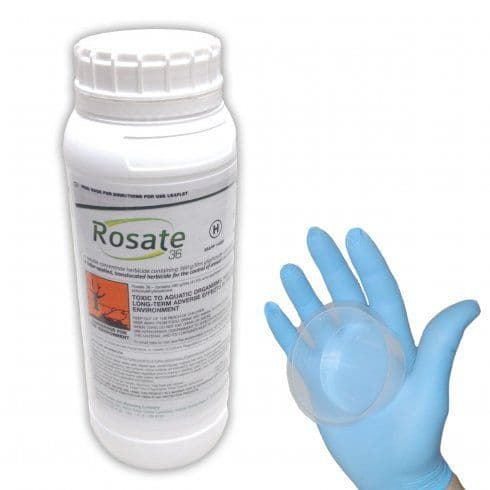
Rosate TF is a systemic, non-selective herbicide primarily based on glyphosate. It is designed to kill a wide range of weeds by being absorbed through the leaves and transported throughout the plant system, including the roots.
Unlike selective herbicides, it does not distinguish between crops and weeds, which makes it highly effective for land clearing, pre-planting preparation, and industrial weed management.
When discussing rosate tf dilution, it is important to understand that this product is sold in a concentrated form. It must always be mixed with water before application to ensure controlled absorption and avoid damage to surrounding vegetation.
Chemical Action and How It Works
The active ingredient in Rosate TF interferes with a specific plant enzyme pathway known as EPSP synthase. This pathway is essential for producing amino acids required for plant growth.
Once applied, the herbicide travels through the plant system. Over several days, the plant begins to show visible signs of stress such as yellowing, wilting, and eventual death.
The effectiveness of this process depends heavily on correct rosate tf dilution, because the concentration determines how efficiently the chemical is absorbed and distributed within the weed structure.
Proper Mixing and Dilution Guidelines
One of the most critical steps in using this herbicide is preparing the spray solution correctly. In general agricultural practice, the dilution ratio depends on weed type, density, and environmental conditions.
In most cases, a common recommendation is:
- Approximately 10–20 ml of concentrate per 1 litre of water
However, field conditions may require adjustments. Light weed growth may need lower concentration, while dense or perennial weeds may require stronger mixtures.
This stage is often referred to as rosate tf dilution, and it is considered the foundation of successful herbicide performance.
Farmers and land managers are advised to always follow the manufacturer’s label instructions, as formulation strength and regulations may vary by region.
Bio Table
| Field | Details |
|---|---|
| Article Title | Rosate TF Dilution: Complete Guide to Mixing, Use & Safety |
| Main Topic | Herbicide dilution and application techniques |
| Focus Keyword | rosate tf dilution |
| Industry | Agriculture / Landscaping / Weed Management |
| Product Type | Systemic Non-Selective Herbicide (Glyphosate-based) |
| Usage Area | Farms, gardens, roadsides, industrial land |
| Target Users | Farmers, gardeners, landscapers, turf managers |
| Difficulty Level | Beginner to Intermediate |
| Purpose | Weed control, land clearing, vegetation management |
| Safety Level | Chemical herbicide – requires protective handlin |
Application Techniques in the Field
Correct application is just as important as mixing. After preparing the solution using proper rosate tf dilution, the spray should be evenly applied to the foliage of actively growing weeds.
For best results, spraying should be done during dry weather conditions when there is no rainfall expected for at least six hours. Windy conditions should also be avoided to prevent drift onto non-target plants.
Weed leaves should be fully covered but not dripping excessively. Over-application does not improve results and may lead to unnecessary environmental exposure.
Timing also plays an important role. Young, actively growing weeds absorb the herbicide more efficiently compared to older, stressed plants.
Benefits of Using Rosate TF
The popularity of this herbicide comes from its broad effectiveness and reliability in various environments. When the correct rosate tf dilution is followed, users experience consistent weed control results across different plant species.
One major advantage is its systemic action, which ensures that weeds are killed from the roots rather than just the surface. This reduces regrowth and provides longer-lasting control.
It is also widely used in agricultural preparation because it allows farmers to clear fields before planting without disturbing the soil structure.
In industrial and roadside maintenance, it helps maintain clean and manageable landscapes with minimal effort.
Safety and Environmental Considerations
While effective, Rosate TF must be handled responsibly. It is a chemical product and should be used with proper protective equipment such as gloves, masks, and long-sleeved clothing.
Incorrect rosate tf dilution can lead to reduced performance or unintended plant damage. Over-concentrated solutions may also increase environmental risk.
Avoid spraying near water sources, as glyphosate-based herbicides can affect aquatic plants if misused. Storage should be in a cool, dry place away from children and animals.
Following safety guidelines ensures that the herbicide remains effective while minimizing environmental impact.
Common Mistakes in Usage
Many users experience poor results not because of the product itself but due to incorrect application practices. One of the most common issues is improper rosate tf dilution, either too weak or too strong.
Another mistake is spraying at the wrong time, such as during drought conditions when plants are not actively absorbing nutrients. In such cases, herbicide uptake becomes less effective.
Some users also apply it on wet leaves, which can reduce absorption and cause runoff. Understanding these practical mistakes can significantly improve overall results.Real-World Usage Insights
In agricultural communities, Rosate TF is often considered a standard solution for pre-cultivation weed management. Farmers rely on it for clearing fields before sowing crops like wheat, maize, and vegetables.
Landscaping professionals also use it to maintain parks, pathways, and non-crop areas.
When applied with correct rosate tf dilution, it provides a balance between efficiency and cost-effectiveness, making it a widely adopted solution in both small and large-scale operations.
Personal and Product Information Note
Unlike human-related topics, Rosate TF is a commercial herbicide product and does not have attributes such as age, height, family, net worth, or social media presence. Therefore, such details are not applicable in this context.
Instead, its value is measured through formulation strength, effectiveness, safety profile, and field performance. The discussion around rosate tf dilution is therefore more relevant than personal or biographical data.
Conclusion
Rosate TF remains one of the most widely used herbicides in modern weed management systems due to its reliability and systemic action. However, its success largely depends on correct preparation and responsible application.
Understanding rosate tf dilution is essential for achieving optimal results, ensuring safety, and protecting the surrounding environment. Whether used in agriculture, landscaping, or industrial maintenance, proper usage practices make a significant difference in performance outcomes.
When used correctly, it provides a practical and efficient solution for long-term weed control without excessive soil disturbance or repeated applications.
FAQs
Q: What is Rosate TF used for?
A: It is used for controlling a wide range of weeds in agriculture, landscaping, and industrial areas.
Q: What is the correct rosate tf dilution ratio?
A: It typically ranges from 10–20 ml per litre of water depending on weed type and conditions.
Q: Can Rosate TF kill all types of weeds?
A: Yes, it is a non-selective herbicide and affects most green plants it contacts.
Q: How long does it take to see results?
A: Visible effects usually appear within 5–10 days after application.
Q: Is Rosate TF safe for crops?
A: No, it can damage crops if sprayed directly, so careful application is required.

