


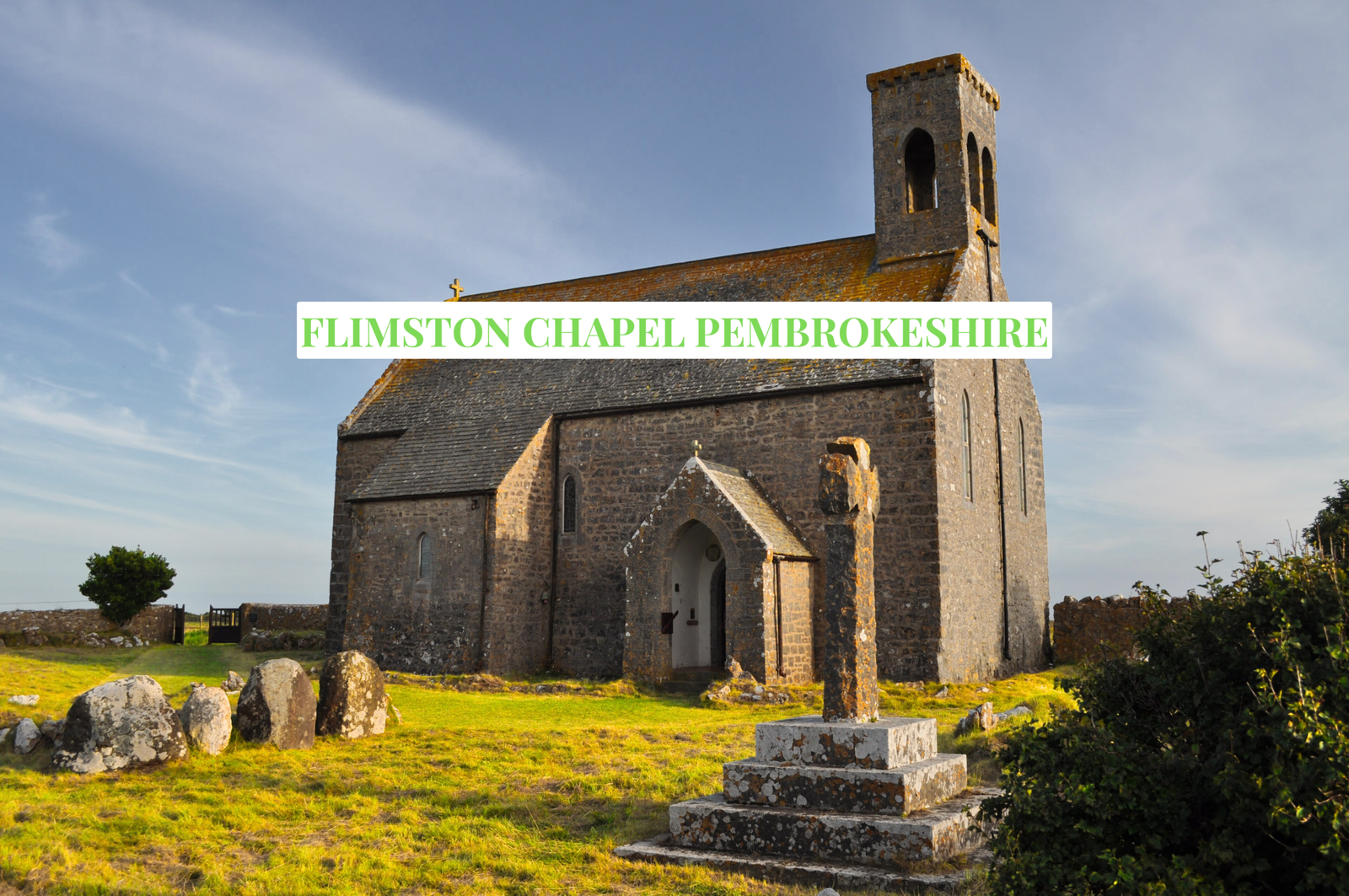
A Quiet Historic Site on the Welsh Coast
Flimston Chapel is one of the most quietly remarkable historic places in Wales. Hidden within the remote Castlemartin coastal training area, this medieval chapel sits far from modern towns, roads, and daily life. Surrounded by rugged cliffs, open grassland, and strong Atlantic winds, it feels less like a visited attraction and more like a fragment of history that has survived against time itself.
The charm of Flimston Chapel Pembrokeshire comes not from size or decoration, but from its silence and endurance. It has never been shaped into a commercial tourist site, and this lack of development has helped preserve its raw and authentic character. The isolation of the chapel has acted like a natural protection, allowing its ancient stone walls to stand through centuries of weather, human change, and shifting land use.
Medieval Origins and Early Purpose
The origins of Flimston Chapel Pembrokeshire are believed to go back to the medieval period, most likely between the 12th and 13th centuries. During this time, small rural chapels were built across Wales to serve scattered farming communities who lived far from larger parish churches. These buildings were simple, constructed from local stone, and designed for practical worship rather than architectural beauty.
The chapel would have been an important spiritual place for nearby settlers, offering prayers, community gatherings, and religious ceremonies in a rural landscape.
Decline and Changing Use
As time passed, the role of Flimston Chapel Pembrokeshire gradually changed. Population movements, agricultural shifts, and the decline of isolated rural settlements meant that many chapels like this one were eventually abandoned. By the post-medieval period, it was no longer used regularly for worship.
Instead, it slowly became part of the surrounding landscape, reflecting how communities evolved and moved away from older rural centres. During the 17th and 18th centuries, historical patterns suggest that Flimston Chapel Pembrokeshire may have been repurposed for practical use such as storage or farm shelter, while still retaining its original medieval structure.
Restoration in the Early 20th Century
A major transformation came in the early 20th century when the chapel underwent restoration between 1901 and 1903. This work was carried out by the Lambton family in memory of their sons, turning the building into both a preserved historic site and a personal memorial.
Damaged stonework was repaired, the structure was stabilised, and commemorative elements were added inside. This marked a turning point in the survival of Flimston Chapel Pembrokeshire, ensuring that it would not be lost to decay or collapse.
Military Land and Natural Preservation
In the mid-20th century, the surrounding land became part of a military training zone, which significantly affected access to Flimston Chapel Pembrokeshire. The site now sits within the Castlemartin Range, a restricted defence area used for training exercises.
While this limited public access, it also unintentionally protected the chapel from vandalism, uncontrolled tourism, and modern construction. Further conservation work in the 1960s helped stabilise the structure and protect it from coastal weather damage.
Architecture and Structure
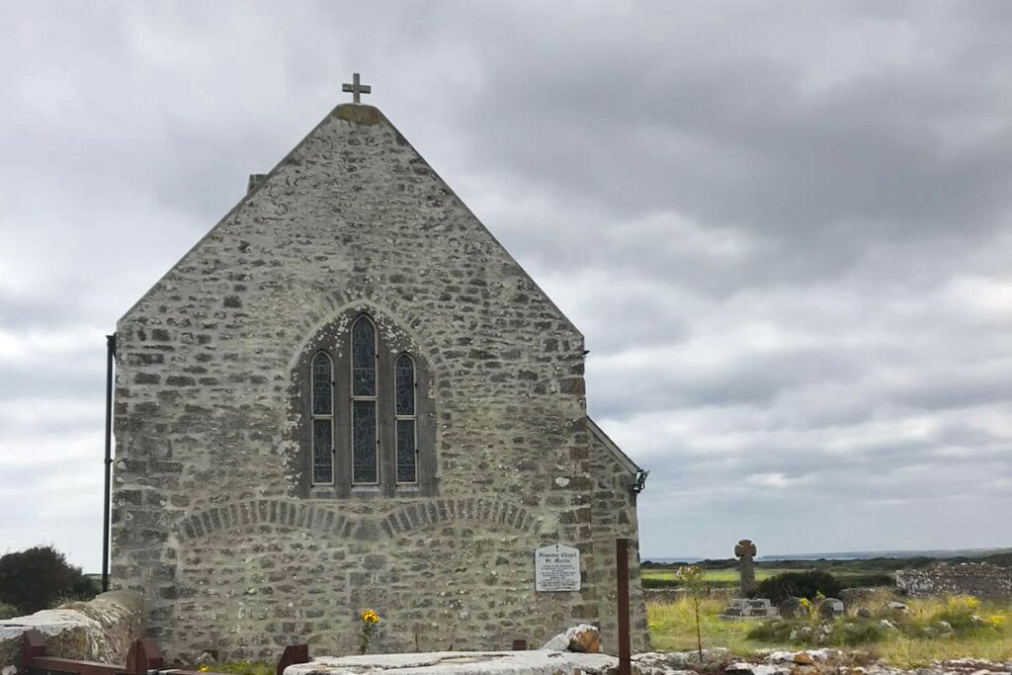
Architecturally, Flimston Chapel Pembrokeshire is modest but historically significant. Built from local stone, it reflects the simple design of medieval Welsh chapels. The structure includes a small nave, remnants of a chancel area, and thick walls built to withstand harsh coastal conditions.
Later restoration introduced memorial features linked to the Lambton family, blending medieval construction with early 20th-century heritage preservation. Although time has softened its edges, the original layout is still clearly visible.
Historical Importance and Layers of History
The historical importance of Flimston Chapel Pembrokeshire goes beyond its physical structure. It represents medieval religious life, rural community development, abandonment and reuse of sacred buildings, early restoration efforts, and the unexpected preservation effect of military land restrictions.
Each phase of its existence adds depth to its identity, making it an important example of how historic sites evolve over time.
Surrounding Landscape and Nature
The surrounding landscape also adds to its significance. Located within the Pembrokeshire Coast National Park region, the area is known for dramatic cliffs, coastal wildlife, and natural beauty.
The environment includes windswept grasslands, wildflowers adapted to salt air, and seabirds nesting along the cliffs. Because access is restricted, the natural surroundings remain largely undisturbed, creating a rare balance between heritage and untouched environment.
Access and Visitor Experience
Access to Flimston Chapel Pembrokeshire is limited and controlled due to its location inside a military training area. Visitors can only reach it during designated open days or special access periods.
When entry is permitted, the journey often involves walking along scenic coastal paths that reveal some of the most striking views in Wales. This restricted access adds mystery and makes visits feel rare and meaningful rather than routine.
Not a Person, But a Historic Landmark
It is important to understand that Flimston Chapel Pembrokeshire is not a person, but a historic building. It does not have human attributes such as age in a personal sense, height, family, siblings, net worth, lifestyle, or social media presence.
Its identity comes from its architecture, history, cultural meaning, and natural surroundings rather than personal characteristics.
Modern Preservation and Importance Today
Today, Flimston Chapel Pembrokeshire stands as a quiet reminder of endurance and continuity. Ongoing conservation work focuses on stabilising the structure, managing vegetation growth, and protecting the stonework from long-term coastal erosion.
These efforts ensure that the chapel continues to survive despite its exposed and challenging environment, preserving it for future generations.
Conclusion: A Timeless Welsh Heritage Site
In modern times, Flimston Chapel Pembrokeshire holds value for historians, walkers, and anyone interested in heritage landscapes. It represents a rare example of a site that has survived through centuries of change without heavy alteration or commercialisation.
From its medieval beginnings to its military-era protection, it remains a powerful symbol of Wales’ layered history, standing quietly among the cliffs as a reminder of time, memory, and survival.
FAQs
Q: What is Flimston Chapel Pembrokeshire?
A: Flimston Chapel Pembrokeshire is a small medieval chapel ruin located in the Castlemartin area of Pembrokeshire, Wales, known for its historic and coastal setting.
Q: When was Flimston Chapel Pembrokeshire built?
A: It is believed to date back to the 12th–13th century, during the medieval period in Wales.
Q: Can visitors access Flimston Chapel Pembrokeshire?
A: Yes, but access is limited because Flimston Chapel Pembrokeshire is inside a restricted military training area and only open on special days.
Q: Why is Flimston Chapel Pembrokeshire important?
A: Flimston Chapel Pembrokeshire is important because it represents medieval religious history and has survived through centuries of change and preservation.
Q: Is Flimston Chapel Pembrokeshire still active today?
A: No, Flimston Chapel Pembrokeshire is no longer used for worship and is preserved as a historic heritage site.

