


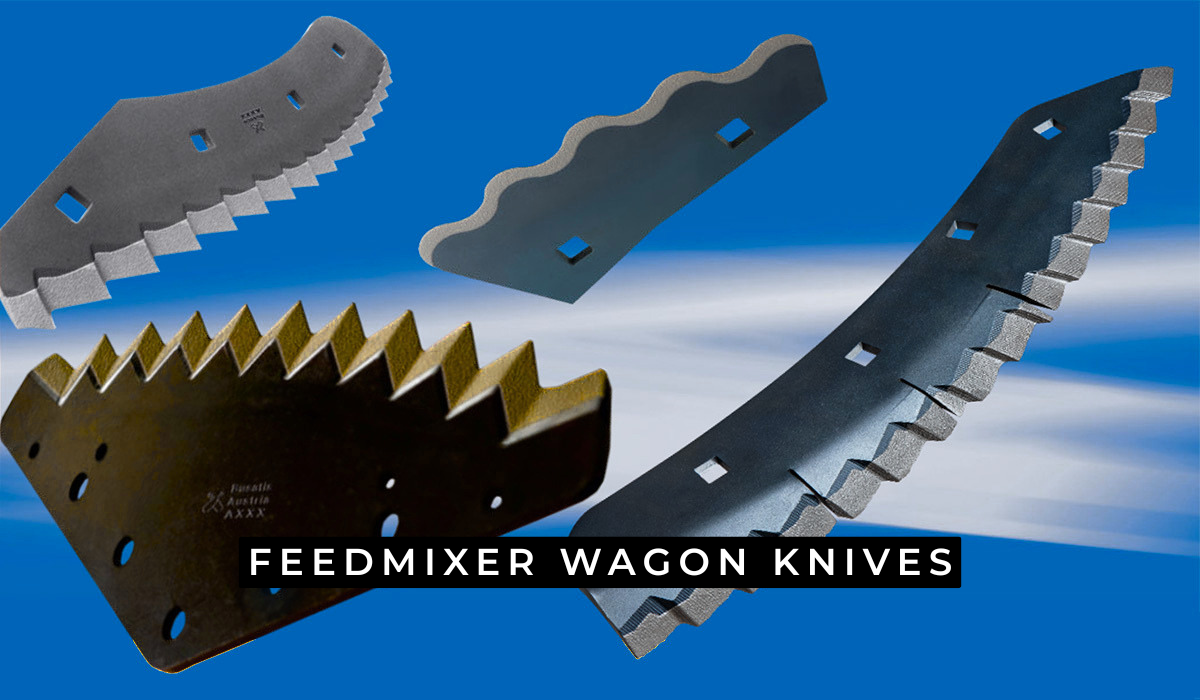
Modern farming depends heavily on advanced machinery to improve efficiency and reduce labor. One of the most important machines used on dairy and livestock farms is the feed mixer wagon. Inside this machine, feedmixer wagon knives perform the critical job of cutting and mixing animal feed properly.
These knives may appear to be simple metal blades, but they are essential for preparing balanced feed for livestock. Without strong and sharp blades, the mixer wagon cannot process hay, silage, straw, or grains effectively. Poor feed preparation can affect animal digestion, milk production, and overall farm productivity.
Today, many farmers invest in high-quality feedmixer wagon knives because they help improve feed consistency and reduce machine stress. Properly mixed feed ensures livestock receive balanced nutrition in every bite. This improves feeding efficiency and supports healthy animal growth.
As livestock farming continues to grow worldwide, the demand for durable and long-lasting feed mixer components is also increasing. Farmers now need reliable equipment that can handle daily workloads without frequent maintenance problems.
This article explains everything about feedmixer wagon knives, including their working process, benefits, materials, types, and maintenance tips.
Introduction to Feedmixer Wagon Knives
Feedmixer wagon knives are specialized cutting blades installed inside feed mixer wagons or Total Mixed Ration mixers. Their primary function is to cut, shred, and mix feed materials into a balanced ration for livestock animals.
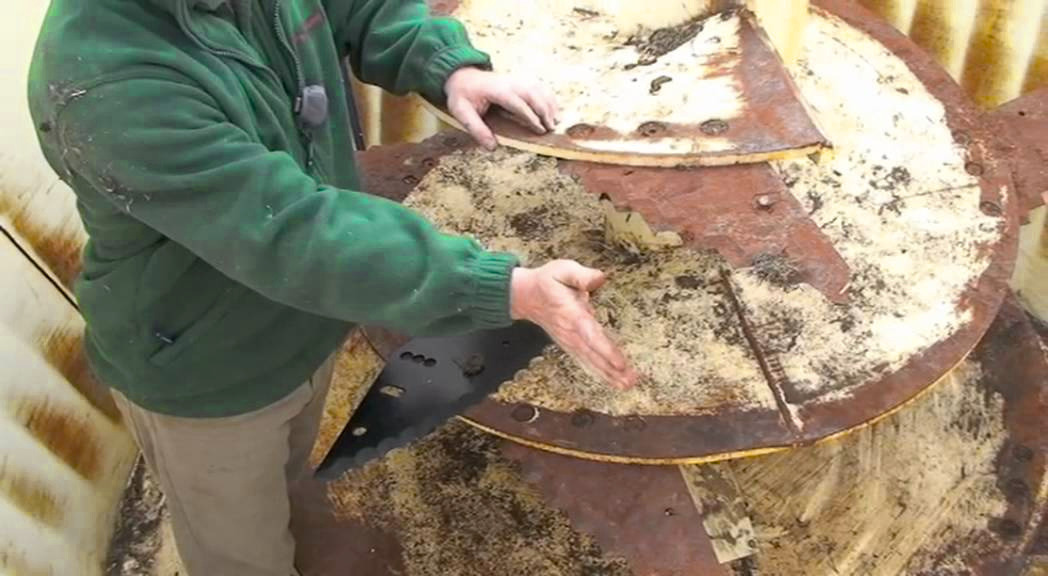
These knives work together with rotating augers inside the mixer wagon. As the augers rotate, the blades continuously cut rough feed ingredients into smaller pieces. This process helps all materials mix evenly throughout the machine.
Farmers use these knives for processing hay, straw, silage, corn stalks, grass, grains, and nutritional supplements. The final feed mixture becomes easier for livestock to consume and digest properly.
The quality of the knives directly affects the performance of the machine. Sharp blades improve cutting efficiency, while worn-out blades reduce productivity and increase fuel consumption. Poor-quality knives may also place extra pressure on the mixer wagon’s mechanical system.
Many modern farms consider feed mixer knives one of the most important parts of the feeding process because they help maintain consistent feed quality every day.
How Feedmixer Wagon Knives Work
The operation of a feed mixer wagon is simple but highly effective. Farmers load feed ingredients into the wagon, and the machine starts rotating its augers. The knives attached to these augers then begin cutting and processing the materials.
As feed ingredients move through the mixing chamber, the knives chop long fibers and rough materials into smaller particles. This cutting process continues until all ingredients become evenly blended into a balanced feed ration.
The working process usually follows several stages. Feed enters the wagon first, then the augers rotate and circulate the ingredients. After that, the knives begin chopping and shredding the materials before everything mixes together evenly.
Some mixer wagons use vertical augers, while others use horizontal systems. Both systems depend heavily on strong knife performance to prepare feed correctly.
Modern feedmixer wagon knives are carefully designed to improve cutting performance while reducing wear and tear on the machine. Manufacturers focus on blade shape, hardness, and material quality to improve durability under heavy workloads.
| Feature | Details |
|---|---|
| Product Name | Feedmixer Wagon Knives |
| Use | Cutting and mixing livestock feed |
| Installed In | Feed mixer wagons / TMR mixers |
| Main Function | Chop hay, silage, straw, grains |
| Material | Hardened steel, boron steel, tungsten-coated steel |
| Main Benefit | Uniform feed mixing and better animal nutrition |
| Maintenance | Regular sharpening and timely replacement |
| Importance | Improves feed quality and farm efficiency |
Types of Feedmixer Wagon Knives
Different farming operations require different knife designs. Manufacturers produce several types of mixer wagon knives depending on the machine system and feed materials being processed.
Vertical Mixer Knives
Vertical mixer knives are designed for wagons using vertical augers. These knives are commonly used on dairy farms because they process large hay bales and fibrous silage efficiently. Their curved shape improves feed circulation and cutting performance.
Horizontal Mixer Knives
Horizontal mixer knives are installed in wagons equipped with horizontal augers. These knives provide fast and even feed mixing. They are commonly preferred for grain-heavy feed mixtures and rapid feed preparation.
Serrated Knives
Serrated knives contain tooth-like cutting edges that improve cutting power. These blades are highly effective when processing dry hay, straw, and other difficult fibrous materials.
Tungsten-Coated Knives
Tungsten-coated knives are premium-quality blades designed for heavy-duty agricultural use. Their protective coating improves wear resistance and helps the blades remain sharp for longer periods.
Materials Used in Feedmixer Wagon Knives
The durability of a mixer wagon knife depends greatly on the material used during manufacturing. These blades must withstand heavy pressure, friction, and continuous daily operation.
Manufacturers commonly use hardened steel, boron steel, chrome steel, and tungsten carbide-coated steel. These materials provide strength, durability, and excellent wear resistance.
Hardened steel knives are popular because they balance affordability and reliability. Boron steel improves flexibility and reduces the risk of cracking under pressure. Chrome steel provides better corrosion resistance and longer service life.
Tungsten-coated blades are considered one of the strongest options available today. These knives remain sharp for extended periods and perform extremely well under demanding farming conditions.
Many manufacturers also use heat-treatment processes to improve blade hardness and resistance against edge wear.
Benefits of Feedmixer Wagon Knives
There are many advantages to using high-quality feedmixer wagon knives on livestock farms. One major benefit is improved feed consistency. Sharp knives create evenly mixed feed that provides balanced nutrition for animals.
Properly mixed feed also improves digestion. Smaller and evenly chopped particles are easier for livestock to consume, which may increase milk production and support healthier growth.
Another important advantage is reduced feed waste. Uniform feed mixtures prevent animals from sorting through ingredients and leaving certain materials behind. This improves feed utilization and lowers waste on the farm.
Efficient knives also save time during feed preparation. Faster cutting and mixing reduce labor requirements and improve daily productivity. Large farms especially benefit from shorter mixing times.
Sharp blades lower fuel consumption because the mixer wagon requires less power to process materials. Reduced machine stress also helps protect augers, bearings, and drive systems from excessive wear.
High-quality knives generally last longer and require fewer replacements. Farms that invest in durable blades often experience lower maintenance costs and fewer equipment breakdowns.
Maintenance and Replacement Tips
Proper maintenance is extremely important for extending the lifespan of mixer wagon knives. Farmers should inspect the blades regularly for dull edges, cracks, or bending.
Cleaning the mixer wagon after use helps prevent rust and corrosion caused by leftover feed materials and moisture buildup. Sharp blades should also be maintained because dull knives increase fuel usage and machine stress.
Farmers should check mounting bolts regularly to ensure the knives remain securely attached during operation. Loose hardware can reduce cutting efficiency and create safety risks.
Worn-out knives should always be replaced quickly. Common signs of damaged blades include uneven feed mixing, increased fuel consumption, unusual machine vibration, and slower processing times.
Ignoring damaged knives may reduce feed quality and place extra pressure on the machine’s mechanical components. Timely replacement helps maintain smooth operation and prevents expensive repairs later.
Conclusion
Feed mixer wagons are essential machines in modern livestock farming, and the knives inside these systems play a critical role in feed preparation. Strong and durable blades help chop, shred, and mix feed ingredients into balanced rations that improve animal nutrition and feeding efficiency.
From vertical mixer knives to tungsten-coated blades, different knife designs support different agricultural needs. High-quality feedmixer wagon knives improve cutting performance, reduce fuel consumption, lower maintenance costs, and increase overall productivity on the farm.
Proper inspection, maintenance, and timely replacement are also important for achieving reliable machine performance. Farms that invest in quality feed mixer knives often experience smoother operations, healthier livestock, and better long-term results.
FAQs
Q: What are feedmixer wagon knives?
A: Feedmixer wagon knives are cutting blades used inside feed mixer wagons to chop and mix livestock feed evenly.
Q: Why are feedmixer wagon knives important?
A: They help create uniform feed, improve digestion, and support better animal health and productivity.
Q: How do feedmixer wagon knives work?
A: They rotate with the mixer augers and cut hay, silage, and grains into smaller, mixed particles.
Q: When should feedmixer wagon knives be replaced?
A: They should be replaced when cutting becomes uneven or blades show signs of wear or damage.
Q: What materials are used in feedmixer wagon knives?
A: They are usually made from hardened steel, boron steel, or tungsten-coated metal for durability.

