


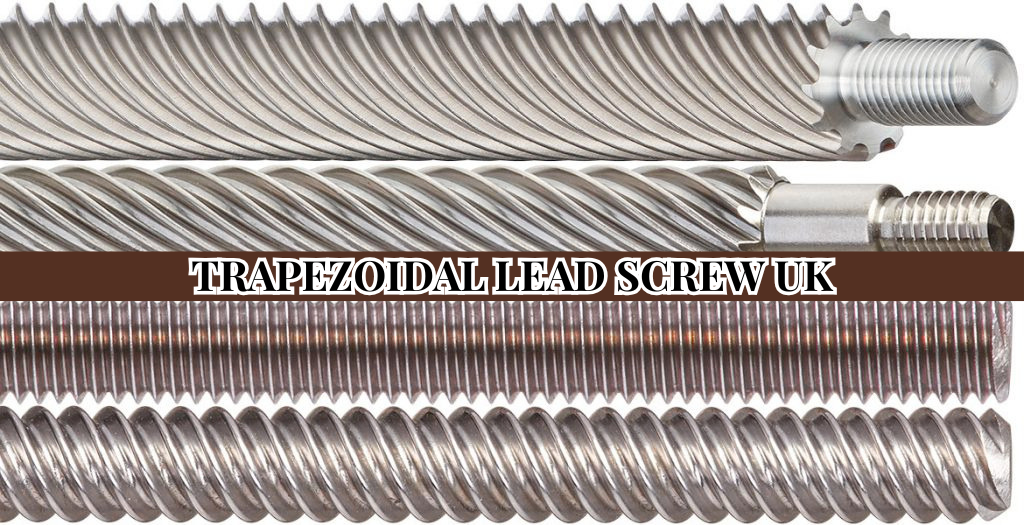
Introduction to Trapezoidal Lead Screw UK
The trapezoidal lead screw UK is an essential mechanical component widely used in modern engineering and industrial systems. It is designed to convert rotational motion into precise linear motion, making it a core part of machines such as CNC equipment, automation systems, lifting devices, and many other mechanical assemblies used across the UK.
In simple terms, it is a threaded metal shaft that works together with a matching nut. When the screw rotates, the nut moves along its length in a controlled direction. This movement is smooth, stable, and reliable, which is why it is used in so many engineering applications where accuracy and strength are required.
Within the field of Mechanical Engineering, this system is considered one of the most practical and cost-effective motion solutions. It is valued for its simplicity, durability, and ability to handle medium to heavy loads without complex mechanisms.
What is a Trapezoidal Lead Screw?
A trapezoidal lead screw is a type of power transmission device that uses a 30-degree trapezoidal thread profile. Unlike sharp V-shaped threads, the trapezoidal shape provides a larger surface area of contact between the screw and nut. This improves load distribution, reduces wear, and increases the overall strength of the system.
In the UK engineering market, trapezoidal lead screws are commonly available in standardized sizes known as TR series, such as TR8, TR10, TR12, TR16, TR20, TR25, and TR30. Each size is selected depending on the load requirements, precision needs, and application type.
Unlike ball screws, trapezoidal lead screws do not use rolling elements. Instead, they rely on sliding contact between the threads. This makes them simpler in design, easier to manufacture, and more affordable, while still being suitable for many industrial uses.
How Trapezoidal Lead Screws Work
The working principle of a trapezoidal lead screw is straightforward but highly effective. It consists of two main parts: the threaded screw shaft and the matching nut. When the screw rotates, the nut moves along the axis of the screw, producing controlled linear motion.
This type of motion conversion is widely used in engineering systems where controlled movement is required. It allows machines to lift, lower, push, or position components with accuracy.
In industrial applications across the UK, this mechanism is commonly used in positioning systems, lifting platforms, mechanical adjustment devices, and automated machinery. One of its key advantages is that in certain conditions, especially with fine pitch threads, it can resist backward movement. This property is known as self-locking and is especially useful in safety-related applications.
Specifications Used in UK Industry
In the UK, trapezoidal lead screws are manufactured and supplied according to standard engineering specifications to ensure consistency and compatibility. These specifications define how the screw performs under different working conditions.
Most trapezoidal screws have a thread angle of 30 degrees and are available in different materials such as carbon steel, stainless steel, and alloy steel. The pitch and diameter vary depending on application requirements, with diameters typically ranging from small sizes like 8 mm to larger industrial sizes exceeding 50 mm or more.
Accuracy levels also vary, with standard and precision grades available depending on the required performance. These specifications play an important role in determining speed, load capacity, and lifespan of the system.
Materials and Manufacturing Quality
The performance of a trapezoidal lead screw depends heavily on the material used and the manufacturing process. In the UK market, manufacturers focus on durability, strength, and corrosion resistance when producing these components.
Carbon steel is one of the most commonly used materials because it provides a good balance of strength and affordability. It is suitable for general industrial applications where heavy wear is not extreme.
Stainless steel is used in environments where moisture, chemicals, or corrosion may be present. It is especially useful in medical, food processing, and outdoor applications.
For high-performance requirements, hardened alloy steel is used. This material undergoes heat treatment to improve strength and resistance to wear, making it suitable for demanding industrial systems.
The manufacturing process often involves precision machining and surface finishing techniques to ensure smooth operation and long service life.
Advantages of Trapezoidal Lead Screw UK
One of the main reasons trapezoidal lead screws are widely used in the UK is their strong combination of performance and cost efficiency. They are capable of handling significant loads due to their wide thread contact area, making them suitable for industrial machinery and lifting systems.
They are also more affordable compared to ball screw systems, which makes them a preferred choice for many manufacturers and engineers. Their simple structure means fewer moving parts, which reduces maintenance requirements and improves reliability.
Another important advantage is their self-locking ability in certain configurations. This feature makes them especially useful in vertical lifting applications where safety is critical. In addition, they offer long service life when properly lubricated and maintained, making them a dependable solution for continuous industrial use.
Limitations of the System
Despite their advantages, trapezoidal lead screws also have some limitations. The most notable is their lower efficiency compared to ball screws due to higher friction between the screw and nut.
They are also slower in operation, which makes them less suitable for high-speed applications. Over time, wear can occur due to sliding contact, especially in systems that operate under heavy loads without proper lubrication.
Because of these limitations, trapezoidal lead screws are generally used in medium-duty applications rather than high-speed or ultra-precision systems.
Applications in UK Industry
Trapezoidal lead screws are used in a wide range of industries across the UK. In CNC machines, they are commonly used for positioning tables and controlling axis movement. Their ability to provide smooth and controlled motion makes them ideal for machine tool systems.
In industrial automation, they are used in robotic systems, conveyor adjustments, and assembly line equipment. Their reliability and simplicity make them suitable for repetitive motion tasks.
They are also widely used in lifting equipment such as adjustable platforms and mechanical jacks. In medical equipment, they help in adjusting hospital beds and diagnostic machines with precision and safety.
Even in 3D printing, trapezoidal lead screws are commonly used for axis movement due to their stability and accuracy in controlled environments.
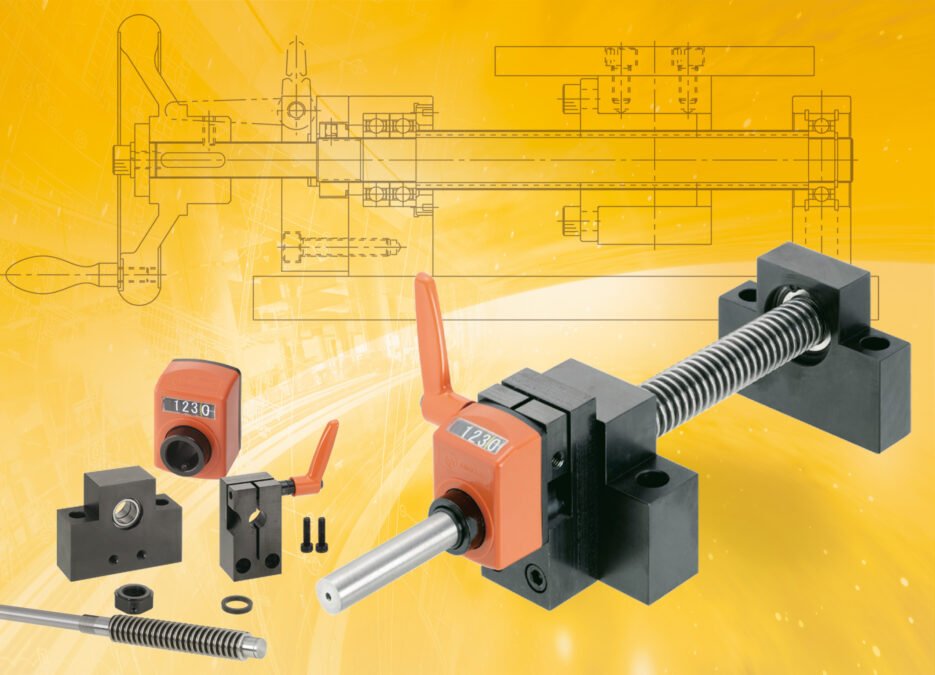
Comparison with Ball Screws
When comparing trapezoidal lead screws with ball screws, the differences become clear. Trapezoidal screws are more cost-effective and simpler in design, making them ideal for general-purpose applications. They provide moderate precision and have the advantage of self-locking.
Ball screws, on the other hand, offer much higher efficiency and precision due to rolling ball elements inside the mechanism. However, they are more expensive and require more maintenance.
In UK engineering practice, trapezoidal lead screws are often selected when cost, simplicity, and reliability are more important than ultra-high precision.
Why They Are Popular in the UK
The popularity of trapezoidal lead screws in the UK comes from their practicality. They are easy to source from local suppliers, available in many standard sizes, and suitable for both industrial and DIY applications.
Engineers prefer them for projects where durability and cost control are important. Their wide application range and dependable performance make them a trusted solution in mechanical design and manufacturing systems.
Maintenance and Longevity
Proper maintenance is essential to ensure long service life. Regular lubrication reduces friction and prevents wear between the screw and nut. Cleaning the system helps remove dust and debris that could affect performance.
It is also important to regularly inspect the threads for signs of wear and ensure proper alignment during installation. When maintained correctly, trapezoidal lead screws can operate efficiently for many years.
Future Use in Engineering
Even with the development of advanced motion technologies, trapezoidal lead screws continue to remain relevant in modern engineering. Their simplicity, low cost, and reliability ensure that they will continue to be widely used in the UK industrial sector.
They are expected to remain important in areas such as automation systems, educational engineering setups, medium-duty machinery, and prototype development. Their role in mechanical design remains strong due to their practical and proven performance.
Conclusion
The trapezoidal lead screw UK remains one of the most reliable and widely used mechanical components in engineering systems. Its ability to convert rotational motion into precise linear movement makes it essential in many industrial applications.
While it may not offer the highest level of precision compared to advanced systems, it provides a balanced combination of strength, affordability, and simplicity. This makes it a valuable solution for engineers and manufacturers across the UK who require dependable performance in real-world applications.
FAQs
Q: What is a trapezoidal lead screw UK used for?
A: A trapezoidal lead screw UK is used to convert rotary motion into smooth linear motion in machines like CNC systems and automation equipment.
Q: Why is trapezoidal lead screw UK popular in industry?
A: Trapezoidal lead screw UK is popular because it is strong, affordable, and suitable for medium-load mechanical applications.
Q: How does trapezoidal lead screw UK work?
A: Trapezoidal lead screw UK works by rotating a threaded shaft that moves a nut in a straight linear direction.
Q: Is trapezoidal lead screw UK better than ball screw?
A: Trapezoidal lead screw UK is more cost-effective, but ball screws offer higher efficiency and precision.
Q: What materials are used in trapezoidal lead screw UK?
A: Trapezoidal lead screw UK is commonly made from carbon steel, stainless steel, or hardened alloy steel.

